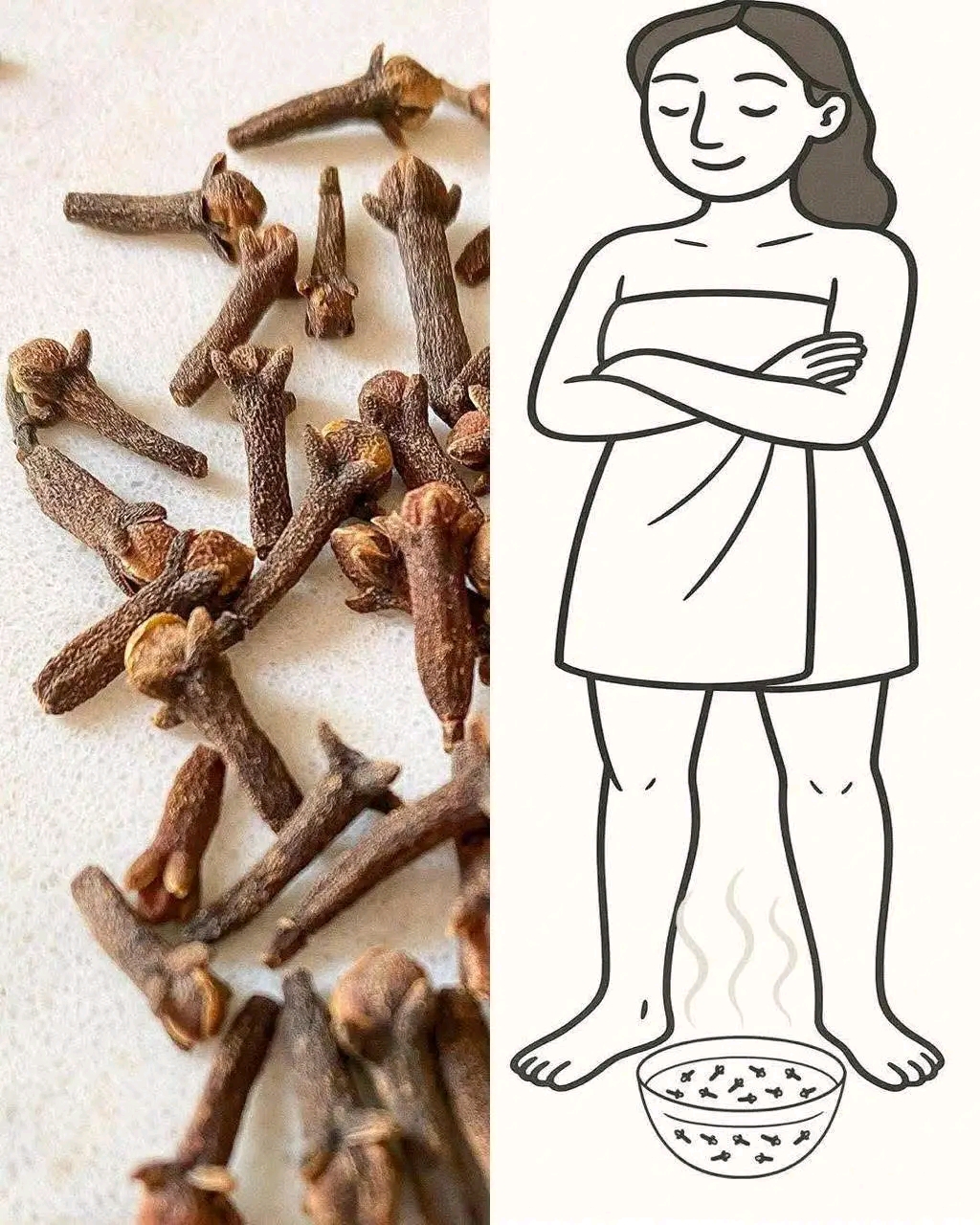
The Ancient Practice of Aromatherapy and Wellness: Exploring Cloves and Pelvic Steaming
The world of holistic wellness is constantly rediscovering ancient practices. Among these is the use of aromatic herbs and spices in various forms of self-care. One practice that has gained attention in wellness circles is the use of cloves—often found in our spice cabinets—as part of a pelvic or “yoni” steaming ritual.
While the image of steaming with spices evokes a sense of traditional, earthy self-care, it is essential to approach this topic with a blend of curiosity and caution. Whether you are interested in the history of herbal steaming or the properties of spices like cloves, understanding the “why” and the “how” is crucial before incorporating any new practice into your routine.
Medical Disclaimer: Prioritize Your Health
Before diving into the historical and cultural contexts of this practice, it is imperative to state that this article is for informational and educational purposes only. It does not constitute medical advice, diagnosis, or treatment. The pelvic and vaginal areas are highly sensitive and prone to infection and injury. Never use steam or herbal treatments to replace medical care, especially if you have symptoms like abnormal discharge, pain, or discomfort. Always consult with a gynecologist or qualified healthcare provider before attempting any form of pelvic steaming.
Understanding the Components: What Are Cloves?
Cloves (Syzygium aromaticum) are more than just a seasoning for holiday pies and chai tea. They are the aromatic flower buds of a tree in the family Myrtaceae. Native to the Maluku Islands in Indonesia, cloves have been prized for centuries for their medicinal and culinary properties.
The Power of Eugenol
The primary active compound in cloves is eugenol. This compound is responsible for the spice’s intense, spicy aroma and its characteristic numbing sensation. In traditional medicine, cloves have been used for:
- Dental Care: Due to eugenol’s mild anesthetic and antiseptic properties, oil of cloves has historically been applied to toothaches.
- Digestive Support: In many cultures, cloves are chewed or brewed into teas to assist with digestion and alleviate gas.
- Antioxidant Properties: Cloves are known for their high concentration of phenolic compounds, which help combat oxidative stress.
When using cloves for any external application—especially on sensitive skin—it is important to remember that these compounds are potent. What is “natural” is not always “gentle.”
What is Pelvic Steaming?
Pelvic steaming, often referred to as “yoni steaming” or “v-steaming,” is a practice found in various traditional healing systems globally, including certain traditions in Korea (chai-yok), parts of Africa, and Central America.
The practice generally involves sitting over a steaming pot of water infused with various herbs, such as mugwort, basil, rosemary, or—in this case—cloves. The objective for those who practice it is typically centered on:
- Ritual and Relaxation: Many view the time spent steaming as a form of meditation or intentional “me-time” to reconnect with their bodies.
- Soothing Discomfort: Proponents often claim that the warmth helps with muscle tension or menstrual cramps.
- Hygienic Rituals: Some cultures have historically utilized steam as a way to cleanse the body after menstruation or childbirth.
The Intersection of Cloves and Steam
When individuals combine cloves with steaming, they are essentially creating an aromatic, herbal steam bath. The heat helps to release the volatile oils (like eugenol) from the cloves, creating a fragrant vapor.
From an aromatherapy perspective, this is similar to how one might use eucalyptus in a shower to clear the sinuses. However, applying this vapor to the pelvic region is significantly different from facial steaming.
Why Cloves?
People who include cloves in their steam mixes often do so because of their warming nature and their status as a “strong” herb in traditional herbalism. They are believed by practitioners to be stimulating and circulation-enhancing.
The Critical Need for Safety and Caution
If you are exploring this practice, safety must be the foundation of your approach. The pelvic and vaginal tissues are a mucous membrane—they are vastly more sensitive than the skin on your hands or face.
1. The Risk of Thermal Burns
This is the most significant danger. The steam from boiling water is extremely hot. Because the vulva and vaginal canal are sensitive, they can sustain severe burns without the person immediately feeling the severity of the damage.
- Never use boiling water directly under you.
- The water should be warm to the touch, not scalding. If you can feel the heat as “hot” rather than “comfortably warm,” it is too hot.
2. Chemical Sensitivities and Irritation
Cloves are highly concentrated. The volatile oils released by cloves (eugenol) can cause chemical irritation or contact dermatitis on sensitive tissue. What might feel “warming” to one person can cause redness, itching, burning, or swelling in another.
3. Disruption of Microbiome
The vaginal environment is a delicate ecosystem balanced by bacteria (like Lactobacillus) and a specific pH level. Introducing steam, essential oils, or herbal extracts can potentially disrupt this balance, leading to:
- Bacterial Vaginosis (BV)
- Yeast Infections
- Altered pH levels
4. When to Avoid Steaming
There are several instances where pelvic steaming should be strictly avoided:
- Pregnancy: Steaming should never be done while pregnant, as internal temperature changes and certain herbs can be unsafe for the fetus.
- During Menstruation: Steaming can increase blood flow and is generally discouraged during a cycle.
- If You Have an Infection: If you have an active yeast infection, bacterial vaginosis, or any sores, steam can worsen the condition.
- With an IUD: Some practitioners advise against steaming if you have an intrauterine device (IUD), as the heat may affect the device or the placement.
Creating a Holistic Self-Care Routine
If you are drawn to the idea of a warming, aromatic ritual, there are safer ways to enjoy the benefits of herbs without the risks associated with direct pelvic steaming.
Safer Alternatives for Warmth and Relaxation
- Sitz Baths: A warm (not hot) bath with Epsom salts or mild, soothing herbs (like chamomile) can be a more controlled environment. Ensure the water is lukewarm.
- Aromatherapy Diffusers: Enjoy the scent of cloves or other herbs in your room while you relax in a regular warm bath. This gives you the aromatherapy benefit without the risk of irritation to sensitive areas.
- Warm Compresses: If you are seeking comfort for muscle tension, a warm compress (using a cloth soaked in warm herbal water) applied to the lower abdomen—not the pelvic opening—can provide relief without the risks of direct steaming.
The Scientific Perspective
It is important to acknowledge that there is a significant lack of clinical, peer-reviewed medical evidence supporting the therapeutic claims of pelvic steaming with cloves. While herbalism has deep roots, many of the modern claims regarding “detoxifying” or “balancing hormones” via the vagina are not supported by biological fact. The vagina is a self-cleaning organ that maintains its own health through a complex microbiome.
When a practice is marketed as a “cure-all,” it is a red flag. Always look for evidence-based information and verify claims with a healthcare professional.
Conclusion
The image of cloves and steaming serves as a reminder of our long human history of seeking comfort in nature. While the idea of a spa-like, aromatic ritual is appealing, the biology of the human body demands respect and caution.
If you are interested in wellness practices, focus on habits that are scientifically proven to support your health: adequate sleep, balanced nutrition, stress management, and regular check-ups with your healthcare provider. If you have questions about specific herbal practices, bring them to your doctor. They can help you determine what is safe for your unique body, ensuring that your self-care journey remains a positive and healthy one.
Would you like to explore more information on the history of herbal aromatherapy or perhaps delve into scientifically-backed methods for managing pelvic tension and discomfort?