Let’s have a little real talk for a second. How many times have you woken up after supposedly getting eight hours of sleep, only to feel like you were hit by a truck? How often do you get those annoying little eye twitches, sudden leg cramps in the middle of the night, or feel a constant, low-level buzz of anxiety that you just can’t shake?
We usually blame these things on getting older, drinking too much coffee, or just the general stress of managing a household. But what if I told you that you might actually be starving for one specific, incredibly affordable mineral?
Welcome to the ultimate guide on Magnesium: the unsung hero of the human body.
While it might not be a recipe you cook in the oven, this is the ultimate “recipe” for feeling like a functioning human being again!
The Quick Fact: Magnesium is an essential mineral that is literally responsible for pulling the strings behind the scenes. It plays a critical role in over 300 different biochemical reactions in your body every single second.
Despite how absolutely crucial it is, researchers estimate that a massive percentage of the population is walking around completely deficient in magnesium without even realizing it. Here is everything you need to know about why this mineral is a total game-changer, how to spot a deficiency, and how to get your levels back on track.
🌟 The Top 6 Life-Changing Benefits of Magnesium
1. The Ultimate Muscle & Nerve Relaxer
If you have ever been jolted awake at 3:00 AM with a charley horse in your calf, you know exactly how painful muscle cramps can be. Magnesium acts as a natural muscle relaxant. Calcium makes your muscles contract, and magnesium makes them release. If you don’t have enough magnesium, your muscles stay tight, leading to cramps, spasms, and that heavy, fatigued feeling.
2. Nature’s “Chill Pill” for Stress and Anxiety
There is a reason magnesium is affectionately called the “relaxation mineral.” When you are stressed, your body burns through its magnesium stores at lightning speed to produce cortisol. Replenishing it helps put the brakes on your nervous system, calming the brain, reducing the physical symptoms of stress, and helping to stabilize a rocky mood.
3. Deep, Restorative Sleep
Forget the groggy over-the-counter sleep aids. Taking magnesium before bed is a natural way to promote deep, high-quality sleep. It helps regulate your body’s natural melatonin production and quiets down the central nervous system so your brain can actually shut off when your head hits the pillow.
4. The Secret to Iron-Clad Bones
We always hear about Calcium for bone health, but Calcium is basically useless without its best friends: Vitamin D and Magnesium. Magnesium helps pull calcium out of your blood and soft tissues and directs it straight into your bones where it belongs, drastically reducing the risk of osteoporosis as we age.
5. A Happy, Healthy Heart
Your heart is the hardest-working muscle in your body, and just like your legs or arms, it relies on magnesium to function properly. This mighty mineral helps maintain a steady heartbeat, relaxes your blood vessels to regulate blood pressure, and keeps your cardiovascular system running smoothly.
6. All-Day, Jitter-Free Energy
Think of magnesium as the spark plug for your cells. It is required to create ATP (adenosine triphosphate), which is the fundamental unit of energy in the human body. Without it, you feel sluggish, heavy, and completely drained, no matter how many cups of coffee you drink.
⚠️ The Red Flags: Signs You Are Running on Empty
Why are we all so deficient? Modern farming practices have severely depleted the magnesium in our soil, meaning the food we eat today has less of it than the food our grandparents ate. Add in a modern diet of processed foods, and lifestyle factors that actively drain magnesium (like drinking coffee, alcohol, eating refined sugar, and chronic stress), and it’s a recipe for deficiency.
You might need more magnesium if you regularly experience:
Muscle cramps, spasms, or random eye twitches
Unexplained, chronic fatigue or a heavy feeling in your limbs
High anxiety, irritability, or feeling constantly “on edge”
Poor sleep, trouble falling asleep, or waking up tossing and turning
Frequent tension headaches or brutal migraines
Sugar cravings (especially an intense craving for chocolate!)
🛒 The Budget-Friendly Magnesium Grocery List
You don’t necessarily have to run to the pharmacy. You can start boosting your levels simply by adding these affordable, magnesium-rich foods to your family’s weekly meal plan:
Dark Leafy Greens: Spinach, Swiss chard, and kale. (Throw a handful into a fruit smoothie to hide it from the kids!)
Nuts and Seeds: Almonds, cashews, and pumpkin seeds are absolute magnesium powerhouses.
Whole Grains: Brown rice, oats, and quinoa.
Avocados: A delicious excuse to eat more guacamole!
Dark Chocolate: Yes, really! If you are craving chocolate, your body might actually be asking for magnesium. Aim for 70% cocoa or higher.
💊 Supplementing Smartly: Which Type is Right for You?
If you decide to take a supplement, you need to know that not all magnesium is created equal. If you buy the cheapest bottle on the shelf, you might end up spending all morning in the bathroom!
Magnesium Glycinate: The gold standard for anxiety, stress, and sleep. It is highly absorbable and very gentle on the stomach. Take this one right before bed!
Magnesium Citrate: Great for overall absorption, but it draws water into the intestines. It is fantastic if you struggle with occasional constipation, but take it easy on the dosage.
Magnesium Oxide: The cheapest form, but your body barely absorbs it. Skip this one unless you are strictly using it as a heavy-duty laxative.
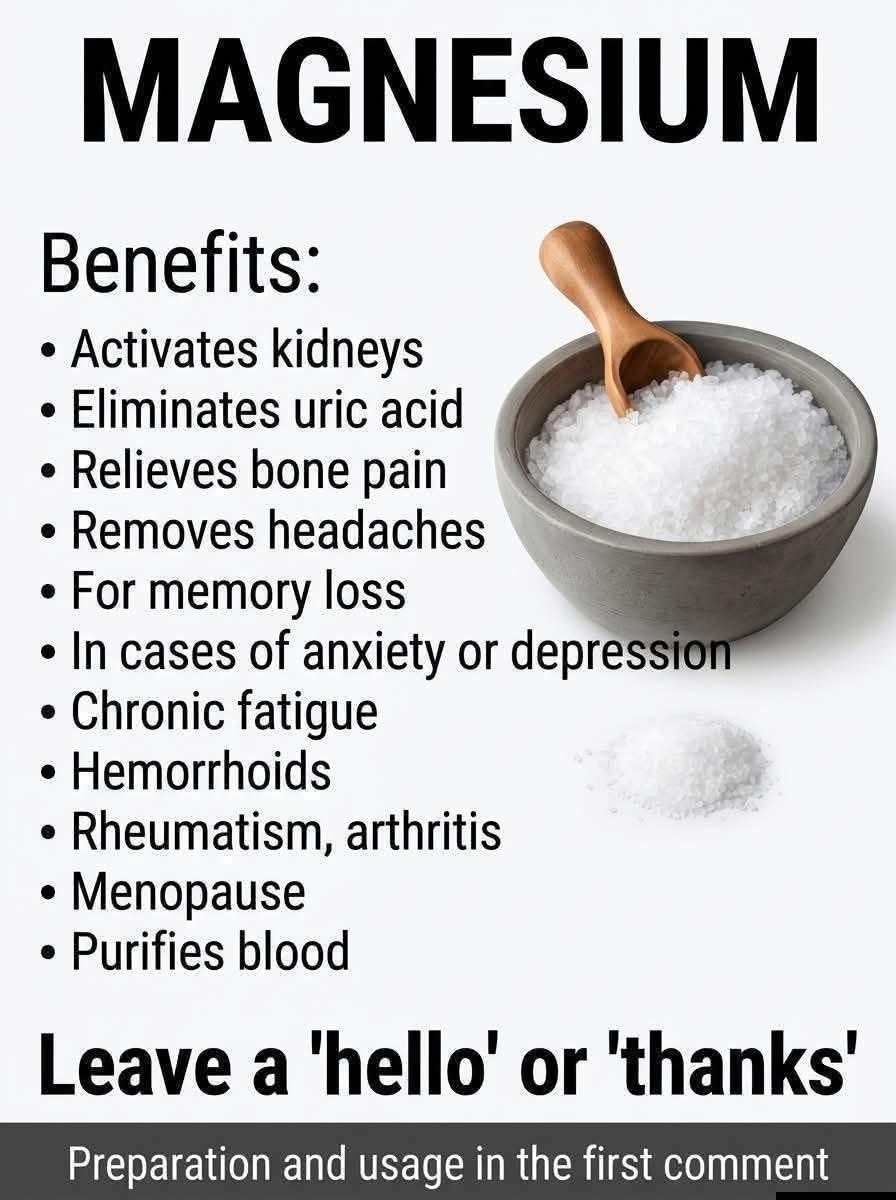
Magnesium Chloride (The Flakes in the Photo!): This is often found in the form of bath flakes (similar to Epsom salts). Your skin is your largest organ, and soaking your tired feet in a warm bath with magnesium flakes is an incredible, spa-like way to absorb the mineral directly into your sore muscles!
📋 The Golden Rules of Taking Magnesium
The Dosage: The general recommended daily intake is between 300mg and 400mg for adults.
Timing is Everything: Take your supplement with a meal to help your body absorb it better and prevent any minor tummy aches.
Start Slow: Don’t jump into a massive dose on day one. Start small and see how your body reacts.
(Disclaimer: I am a food and recipe lover, not a doctor! Always consult with your healthcare provider before starting any new supplement routine, especially if you have existing medical conditions or take prescription medications, such as blood pressure meds or antibiotics, as magnesium can interfere with them.)