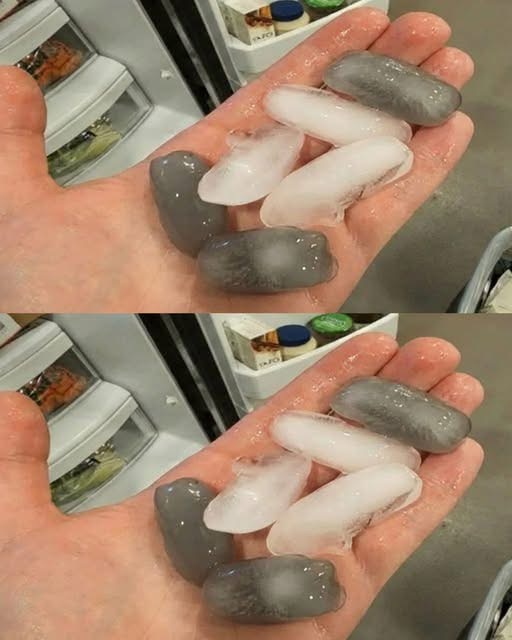
You open the freezer, grab a handful of ice, and pause. Instead of crystal clarity, the cubes have a dull, grayish cast. It’s unsettling—especially when you’re about to drop them into a glass of water or your morning iced coffee.
Good news: gray ice is almost always harmless. It won’t make you sick. But it can affect taste and aesthetics—and more importantly, it’s a signal worth heeding. Let’s uncover the two most common culprits and how to restore that pristine, restaurant-quality clarity.
Cause #1: Dust and Debris in the Ice Maker
Over time, fine dust, airborne particles, and microscopic debris can settle inside the ice maker’s mechanism—especially if the freezer door is opened frequently or the kitchen has high traffic. As water freezes around these particles, they become trapped within the ice, creating a cloudy or gray appearance.
Why it matters: While not a health hazard, this buildup can impart a faint “off” taste and signals it’s time for a refresh.
The fix:
Unplug the refrigerator for safety.
Remove the ice bin and discard all existing ice.
Wash the bin with warm, soapy water; rinse thoroughly; air-dry completely.
Wipe the ice maker’s interior and surrounding freezer surfaces with a damp microfiber cloth.
Reinstall the dry bin, plug in the fridge, and allow 24 hours for a fresh batch to form.
Pro tip: Clean the ice bin monthly to prevent buildup—especially in households with pets or open-concept kitchens.
Cause #2: Charcoal Sediment from Your Water Filter
Many refrigerators use carbon-based water filters to improve taste and remove impurities. But these filters have a lifecycle:
→ New filter: When first installed, loose carbon particles may flush into the water line, tinting early ice batches gray.
→ Old filter: As filters age (typically after 6 months), carbon granules can break down and escape into the water stream.
Why it matters: Charcoal sediment is food-safe but can cloud ice and leave a faint gritty texture.
The fix:
Locate your filter (usually in the grille or interior compartment—check your manual).
If newly installed: Run 3–4 gallons of water through the dispenser until it runs clear. Discard the first 2–3 batches of ice.
If overdue for replacement (usually every 6 months): Install a fresh filter, then flush the system as above.
Clean the ice bin to remove any sediment-tainted cubes.
Note: Always use manufacturer-recommended filters. Off-brand filters may shed more carbon.
Quick Guide: Cleaning Your Ice Bin
For best results after addressing either cause:
Step
Action
1 Remove bin; discard all ice
2 Wash with warm water + mild dish soap
3 Rinse thoroughly (soap residue affects taste)
4 Air-dry completely—no moisture left behind
5 Reinstall; wait 24 hours for fresh ice
Prevention Is Simpler Than You Think
→ Replace water filters on schedule (mark your calendar!)
→ Wipe the ice maker area monthly with a dry cloth
→ Keep the freezer door seal clean—dirt here can migrate inward
→ Use filtered water if your fridge lacks a built-in filter
A Final Reassurance
Gray ice is a nuisance—not a danger. It reflects normal household conditions, not contamination or system failure. With a little attention to your ice maker’s environment and water source, you’ll be back to clear, crisp cubes in no time.
And that next glass of water? It’ll taste exactly as it should: pure, cold, and refreshingly simple. 💧✨
Note: If gray ice persists after cleaning and filter replacement, consult your refrigerator’s manual or a technician—rarely, mineral buildup in water lines may require professional flushing.