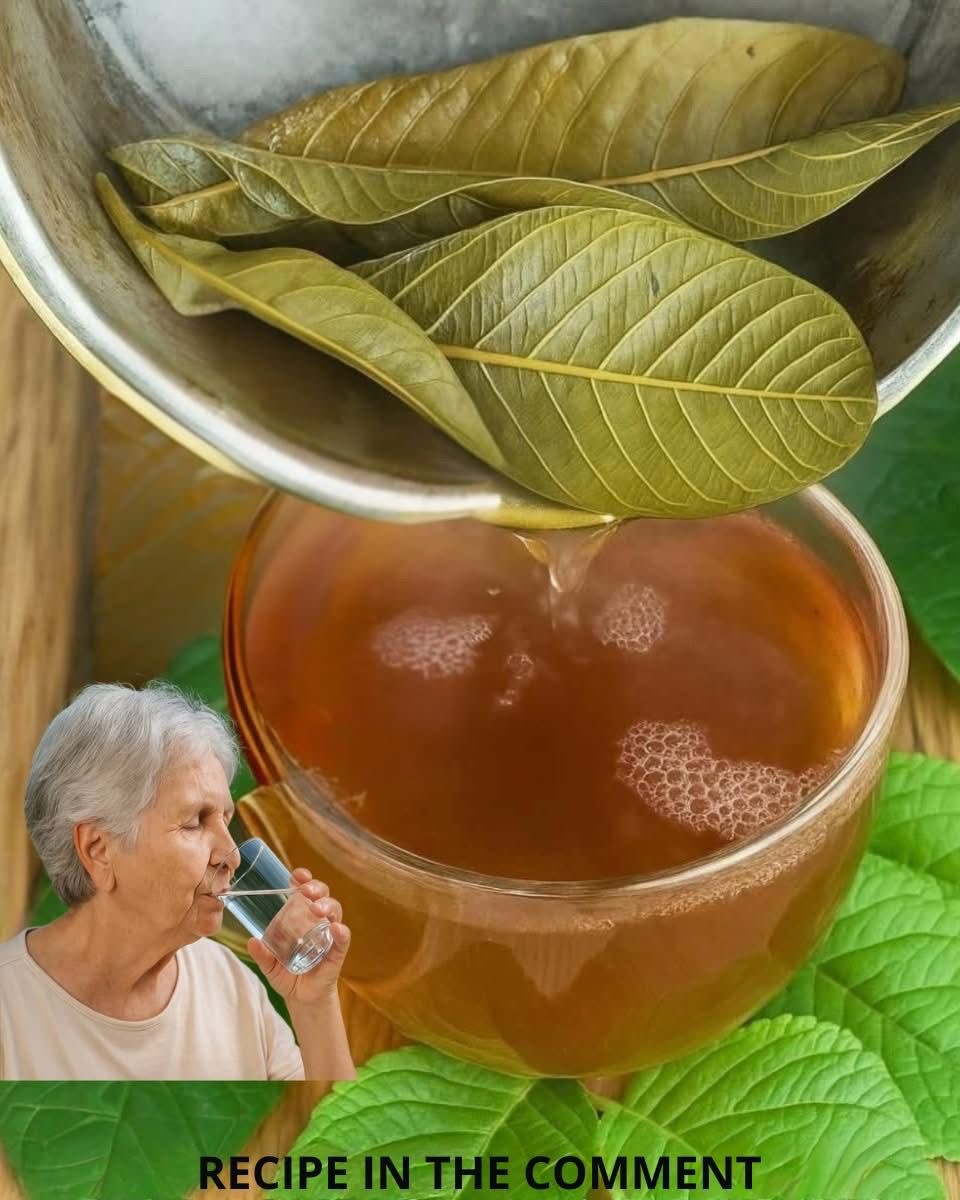
Guava Leaf Tea
Ingredients
8 to 10 fresh guava leaves (or 1 to 2 teaspoons dried guava leaves)
2 cups water
Honey or lemon (optional)
Method
- Wash the guava leaves well to remove dust and impurities.
- Bring the water to a boil in a small pot.
- Add the guava leaves to the boiling water.
- Lower the heat and let it simmer for 10 to 15 minutes.
- Remove from heat and strain the tea into a cup.
- Add honey or lemon if desired.
How to Drink
Drink 1 to 2 cups per day.
Best consumed warm, preferably after meals.
Traditional Benefits
Helps with digestion
May help regulate blood sugar
Soothes cough and sore throat
Rich in antioxidants
Traditionally used for diarrhea
May support weight control
Guava Leaf Tea
History
Guava leaves have been used in traditional medicine for centuries in tropical regions such as Latin America, Southeast Asia, Africa, and parts of the Caribbean. Indigenous communities prepared guava leaf infusions to treat stomach problems, infections, wounds, and respiratory issues. In Asian traditional medicine, especially in China and the Philippines, guava leaf tea was commonly used for diarrhea, diabetes support, and inflammation. Over time, this herbal drink became known worldwide as a natural remedy due to its availability and medicinal value.
Benefits
Guava leaf tea is valued for its many traditional health benefits. It helps improve digestion and is often used to relieve diarrhea and bloating. It may help regulate blood sugar levels, making it popular among people with diabetes. The tea is known to soothe coughs and sore throats and support the immune system. It has antibacterial and anti-inflammatory properties, which may help fight infections. It is also believed to support weight management by improving metabolism and reducing sugar absorption. For hair and skin, guava leaf tea is traditionally used to reduce dandruff and promote healthy skin.
Nutrition
Guava leaves are rich in natural plant compounds called antioxidants, especially flavonoids and polyphenols. They contain vitamin C, small amounts of vitamin A, and minerals such as potassium and iron. The leaves also provide tannins, which are responsible for their astringent and antibacterial effects. While the tea itself is very low in calories, it delivers these beneficial compounds into the body through infusion.
Formation (Preparation Method)
Fresh or dried guava leaves are washed thoroughly to remove dirt and impurities. Water is brought to a boil, and the leaves are added. The mixture is simmered for about 10 to 15 minutes so the nutrients and active compounds are released into the water. The tea is then strained and can be consumed warm. Honey or lemon may be added for taste if desired. It can be taken once or twice daily, preferably after meals.
Conclusion
Guava leaf tea is a traditional herbal drink with a long history of medicinal use. It offers digestive support, antioxidant protection, and potential help with blood sugar control and immunity. With its simple preparation and natural origin, it remains a popular home remedy in many cultures. While it is not a substitute for medical treatment, guava leaf tea can be a healthy addition to a balanced lifestyle when consumed in moderation.
Storage
Brewed tea can be kept in the refrigerator for up to 24 hours.