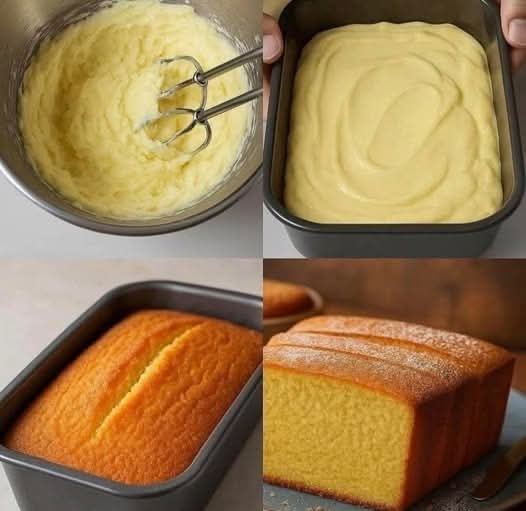
Classic Homemade Butter Cake Recipe: The Ultimate Moist and Fluffy 1-2-3-4 Cake from Scratch
Welcome to the most comprehensive guide to baking the perfect butter cake you’ll ever need. Whether you’re a beginner baker looking for your first from-scratch success or an experienced home cook wanting to master this timeless classic, this detailed 3000-word recipe post is designed for WordPress bloggers, food enthusiasts, and anyone who loves a tender, rich, golden cake that melts in your mouth.
No fancy equipment required, just pantry staples and a little patience. This recipe uses the exact ingredients shared in viral posts: 3 cups all-purpose flour, 2 cups sugar, 1 cup butter, 1 cup milk, 4 eggs (separated for extra lift), 4 teaspoons baking powder, and 1 teaspoon vanilla extract. We’ll walk through every step with scientific explanations, pro tips, troubleshooting, variations, serving ideas, storage hacks, nutritional info, and a full FAQ section.
By the end, you’ll have a foolproof method that produces a cake with a fine crumb, buttery aroma, and the perfect balance of sweetness and tenderness. Ready? Let’s dive deep into the world of butter cake!
Why This Butter Cake Recipe Will Become Your Go-To
Butter cake, often called a 1-2-3-4 cake because of its classic ratio (1 cup butter : 2 cups sugar : 3 cups flour : 4 eggs), is one of America’s most beloved desserts. It’s simple yet elegant, versatile for layering, frosting, or enjoying plain with a dusting of powdered sugar. The egg-separation technique in this version creates an exceptionally light and airy texture compared to whole-egg versions—think pound cake meets angel food cake in the best possible way.
This recipe yields one large 9×13-inch sheet cake, two 9-inch round layers, or two standard 9×5-inch loaf pans (perfect for the golden loaf style shown in many photos). Prep time: 20 minutes. Bake time: 50-65 minutes. Total time: about 1 hour 30 minutes (plus cooling). Serves 12-16 generous slices.
A Short History of Butter Cake
Butter cake traces its roots to the English pound cake of the 1700s, where bakers used a pound each of butter, sugar, flour, and eggs for a dense, long-keeping cake. No leavening agents existed then, so it was heavy and rich—perfect for special occasions.
In the mid-19th century, the invention of baking powder (and earlier chemical leaveners) revolutionized baking. American cooks began lightening the pound cake formula by adding milk and chemical leaveners, creating the modern “butter cake” or “1-2-3-4 cake.” Recipes appeared in community cookbooks as early as the 1870s. By the early 20th century, it became a staple in Southern U.S. kitchens and Midwestern farms.
The egg-separation method (yolks for richness, whipped whites for volume) adds a professional bakery touch, producing a higher rise and softer crumb. Today, this exact ingredient list circulates widely on social media because it delivers consistent, bakery-quality results at home. Note: This is not St. Louis gooey butter cake (a different gooey, cream-cheese-topped treat from the 1930s Depression era). This is the light, classic yellow butter cake.
Full Ingredients List (with Explanations and Substitutions)
Dry Ingredients:
- 3 cups (375g) all-purpose flour – Provides structure. Spoon and level; do not scoop or your cake will be dense. Cake flour can be substituted for an even finer crumb (use 3¼ cups cake flour).
- 4 teaspoons baking powder – The key leavener. Make sure it’s fresh (test by dropping in hot water; it should bubble vigorously).
- Optional: ½ teaspoon salt – Enhances flavor. Highly recommended if using unsalted butter.
Wet Ingredients:
- 2 cups (400g) granulated sugar – Sweetness and tenderness. Can reduce to 1¾ cups for less sweet.
- 1 cup (226g) unsalted butter, softened to room temperature – The star! Real butter (not margarine) gives unbeatable flavor and moisture. Salted butter works; omit added salt.
- 1 cup (240ml) whole milk, room temperature – Adds moisture and tenderness. Buttermilk or 2% milk works; avoid skim.
- 4 large eggs, room temperature, separated – Yolks add richness and color; whites whipped to stiff peaks create lift and lightness. Room temp is crucial for proper emulsification.
- 1 teaspoon pure vanilla extract – Flavor booster. Use real vanilla, not imitation.
For the Pan(s):
- Butter or shortening + flour (or baking spray with flour) for greasing.
- Parchment paper (optional but recommended for easy release).
Metric conversions (for our international readers in places like Morocco or Europe): Use a kitchen scale for precision—baking is science!
Equipment You’ll Need
- Stand mixer or hand mixer (essential for creaming and whipping whites).
- Large mixing bowls (one for dry, one for wet, one for whites).
- Rubber spatula for folding.
- 9×13-inch baking pan, two 9-inch rounds, or two 9×5-inch loaf pans.
- Wire cooling rack.
- Toothpick or cake tester.
- Sifter or fine-mesh strainer.
Step-by-Step Instructions (with Pro Tips and Science)
Step 1: Preheat and Prepare Pans (5 minutes)
Preheat your oven to 350°F (175°C). Position rack in the center. Grease pans thoroughly, line bottoms with parchment (cut to fit), and dust with flour. Tap out excess. Why? Proper prep prevents sticking and ensures even baking. For loaf pans, this gives the beautiful domed top you see in photos.
Step 2: Sift Dry Ingredients (3 minutes)
In a medium bowl, sift together 3 cups flour, 4 tsp baking powder, and ½ tsp salt (if using). Sifting aerates the flour and distributes leavener evenly. Set aside. Pro tip: Sifting prevents lumps and creates a lighter cake.
Step 3: Cream Butter and Sugar (7-10 minutes)
In a large bowl with stand or hand mixer, beat 1 cup softened butter on medium speed for 1 minute until smooth. Gradually add 2 cups sugar. Beat on medium-high for 5-7 minutes until very light, fluffy, and pale yellow. The mixture should look almost whipped cream-like.
Science: Creaming incorporates air bubbles and dissolves sugar partially—this is the foundation for a tender crumb. Don’t rush; under-creamed butter leads to dense cake. Scrape bowl often.
Step 4: Add Egg Yolks and Vanilla (4 minutes)
Add the 4 egg yolks one at a time, beating well (1 full minute) after each. The mixture will look thick and golden. Add 1 tsp vanilla and beat 30 seconds more.
Why separate? Yolks emulsify with fat for richness without weighing down the structure. Room-temperature eggs prevent curdling.
Step 5: Alternate Dry Ingredients and Milk (5 minutes)
With mixer on low speed, add the flour mixture in three additions, alternating with the 1 cup milk in two additions. Start and end with flour: flour-milk-flour-milk-flour. Mix just until combined after each addition—do not overmix! Overmixing develops gluten, making the cake tough. The batter will be thick and smooth.
Step 6: Whip the Egg Whites (5-7 minutes)
In a clean, grease-free bowl (wipe with lemon juice or vinegar if needed), beat the 4 egg whites on medium speed until foamy (1 minute). Increase to high speed and beat until stiff peaks form—about 4-6 minutes. Peaks should stand straight when beater is lifted, but still glossy (not dry).
Science: Whipped whites trap air. Folding them in later gives the cake its signature height and lightness. If whites are under- or over-beaten, texture suffers.
Step 7: Fold in the Whites (3 minutes)
Using a large rubber spatula, gently fold one-third of the whites into the batter to lighten it. Then fold in the remaining whites in two additions. Use a figure-8 motion, cutting down the middle and turning the bowl. Stop as soon as no white streaks remain—over-folding deflates the air. The final batter should be airy and voluminous.
Step 8: Bake (50-65 minutes)
Pour batter evenly into prepared pan(s). Smooth top gently. Bake until golden brown and a toothpick inserted in center comes out clean or with a few moist crumbs (no wet batter).
- 9×13 pan: 50-55 minutes
- Two 9-inch rounds: 30-35 minutes
- Two 9×5 loaf pans: 55-65 minutes
If top browns too fast, tent with foil after 40 minutes. Ovens vary—start checking at minimum time. Cool in pan 10-15 minutes, then turn out onto wire rack to cool completely (at least 1 hour).
Pro tip: Tap pans firmly on counter before baking to release large air bubbles for a finer crumb.
Advanced Baking Tips and Common Troubleshooting
- Room temperature everything: Cold ingredients cause curdling or uneven rise. Take eggs/butter/milk out 1 hour ahead.
- High altitude (above 3000 ft): Reduce baking powder by ¼ tsp, add 2-3 Tbsp extra flour, increase oven temp by 25°F.
- Why my cake is dense? Under-creamed butter, overmixed batter, or deflated whites.
- Cake sank in middle? Opened oven door too early or under-baked.
- Dry cake? Over-baked or measured flour incorrectly (spoon method!).
- Cracked top on loaf? Normal for high-rising cakes; it’s rustic charm.
- For flat top (like some bakery styles): Use egg-separation method as shown and avoid overfilling pans.
Delicious Variations (Make It Your Own)
- Lemon Butter Cake: Add zest of 2 lemons to batter, replace 2 Tbsp milk with lemon juice. Glaze with powdered sugar + lemon juice.
- Chocolate Chip Butter Cake: Fold 1 cup mini chocolate chips into batter.
- Almond Butter Cake: Replace vanilla with 1 tsp almond extract, add ½ cup finely chopped toasted almonds.
- Coconut Butter Cake: Replace milk with coconut milk, add 1 cup shredded coconut.
- Marble Butter Cake: Divide batter, mix 3 Tbsp cocoa + 2 Tbsp milk into half, swirl together.
- Bundt Version: Bake in 10-12 cup Bundt pan at 325°F for 65-75 minutes. Dust with powdered sugar.
- Layer Cake with Frosting: Use two 9-inch rounds, fill/frost with vanilla buttercream, chocolate ganache, or strawberry cream.
- Spiced Version: Add 1 tsp cinnamon + ½ tsp nutmeg for fall vibes.
- Whiskey-Infused (adult version): Add 1 tsp whiskey to batter as in some viral recipes.
- Gluten-Free: Use 1:1 gluten-free flour blend + ½ tsp xanthan gum.
Each variation keeps the core method but transforms the flavor profile—perfect for holidays, birthdays, or afternoon tea.
Serving Suggestions
- Plain with powdered sugar or fresh berries.
- Warm with vanilla ice cream.
- Sliced and toasted for breakfast (yes, really!).
- Layered for weddings or celebrations.
- With coffee or tea—Moroccan mint tea pairs beautifully with the buttery notes.
Storage and Freezing Tips
- Room temp: Covered, up to 3 days.
- Fridge: Up to 1 week (bring to room temp before serving).
- Freeze whole or sliced: Wrap tightly in plastic + foil, up to 3 months. Thaw overnight in fridge.
- Pro tip: Freeze unfrosted layers for easy future assembly.
Nutritional Information (Per Slice, 16 servings)
Approximate (using whole milk, no salt added):
Calories: 320
Fat: 14g (mostly from butter)
Carbs: 45g
Protein: 5g
Sugar: 28g
Values vary by pan size and exact ingredients. For precise tracking, use a nutrition calculator with your measurements.
Frequently Asked Questions (FAQ)
- Can I use cake flour instead? Yes—results in even softer texture.
- What if I don’t separate the eggs? Still delicious but denser, more traditional pound-cake style.
- Why room temperature ingredients? Ensures smooth emulsion and maximum rise.
- Can I make this in a bundt pan? Absolutely—adjust bake time.
- Is this recipe forgiving for beginners? Extremely—the steps are straightforward with built-in checks.
- Can I halve the recipe? Yes, for an 8×8 pan; reduce bake time by 10-15 minutes.
- How do I know when whites are stiff peaks? They hold shape and don’t slide when bowl is inverted (carefully!).
- My batter looks curdled—help! Ingredients were too cold. Bring to room temp and it should smooth out.
- Can I add food coloring? Yes, for fun colored cakes.
- Best frosting pairings? Vanilla, chocolate, cream cheese, or simple powdered sugar glaze.
Final Thoughts: Why You’ll Bake This Butter Cake Again and Again
This isn’t just a recipe—it’s a foundation for countless memories. From Sunday family dinners to holiday gatherings, the aroma of butter and vanilla filling your kitchen is pure comfort. With the detailed egg-separation method, you’ll achieve bakery-level results every single time.
Share your results in the comments below! Did you try a variation? Tag your photo (even though this post has none) with #HomemadeButterCake. Save this post, pin it, and come back whenever you need a reliable, crowd-pleasing dessert.
Happy baking! This 1-2-3-4 butter cake will earn you rave reviews and requests for the recipe for years to come.