Introduction
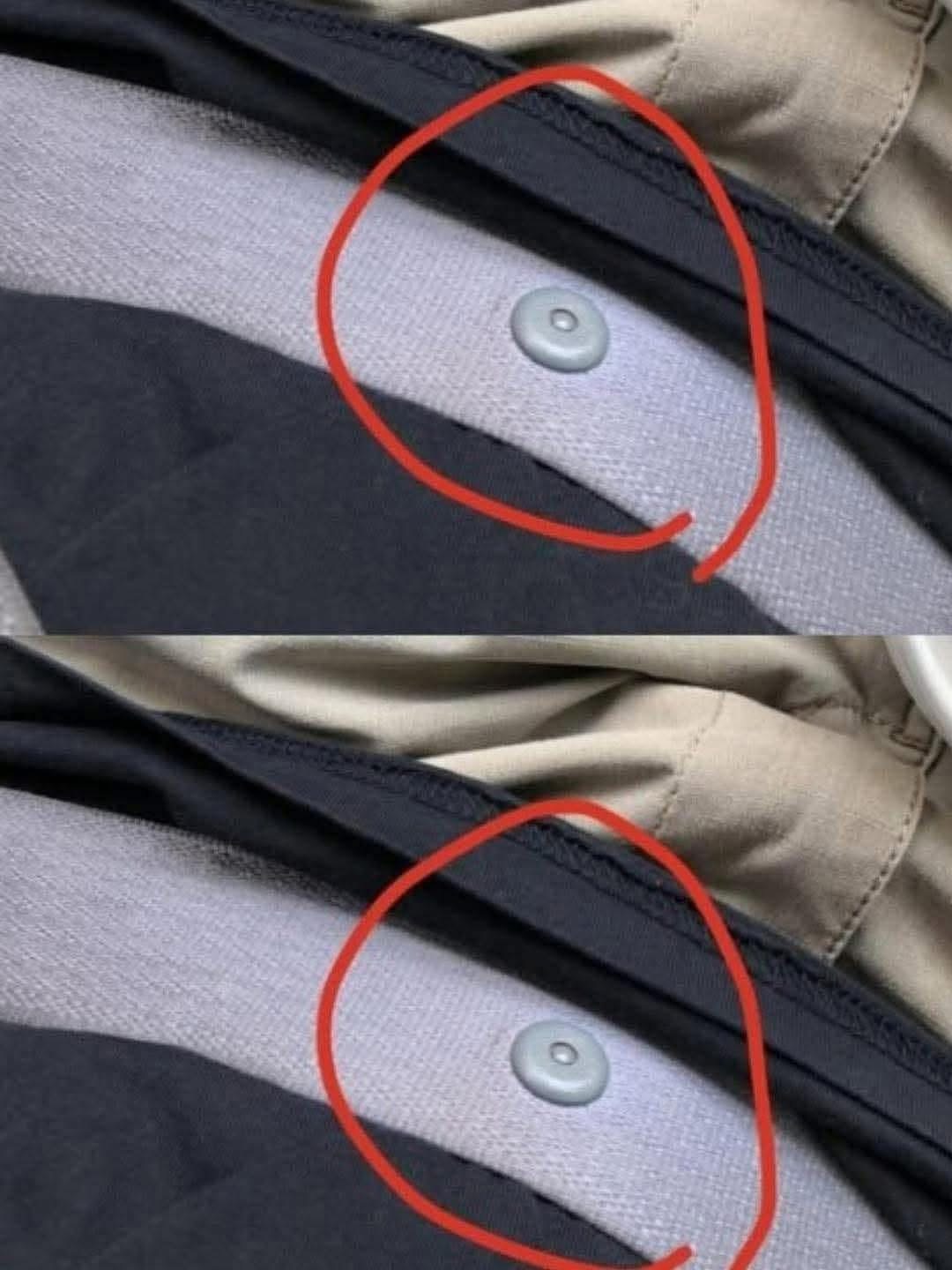
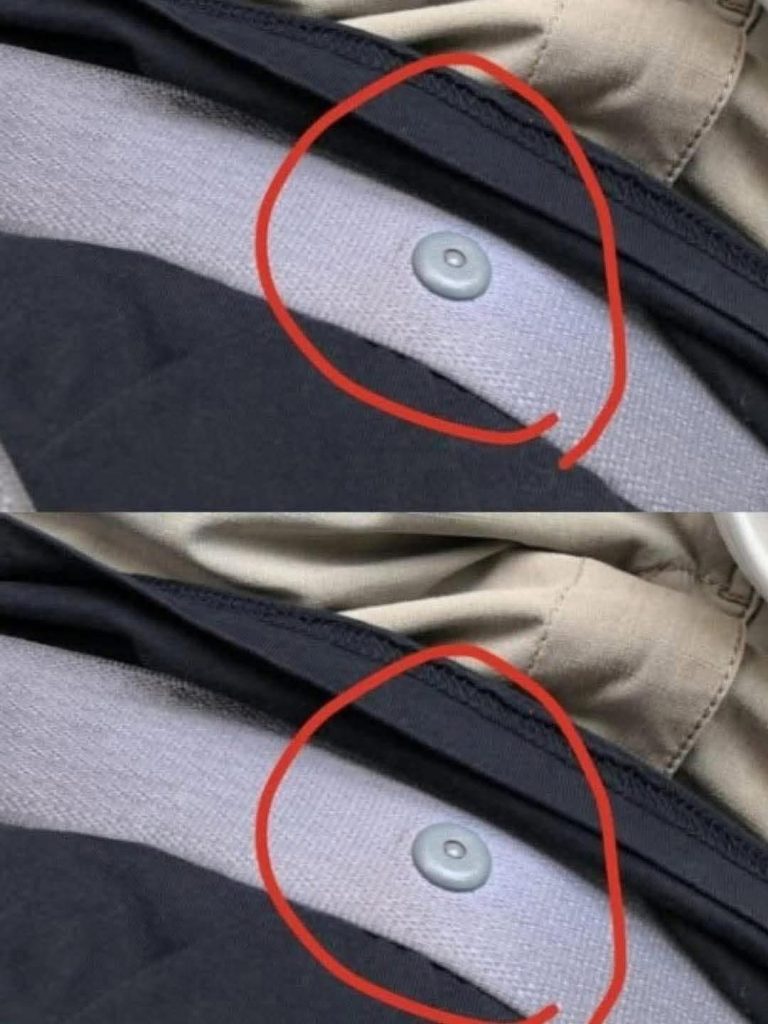
You buckle up every day without giving it a second thought. A quick click, a tug, and you’re ready to go. But have you ever noticed that tiny, round button on your seat belt? The one that blends in perfectly with the strap, almost like it’s trying to stay invisible?
Chances are, you’ve brushed your hand against it and wondered: What is that? Just a clip? A design quirk?
It’s not. According to Alain, a mechanic with 35 years of experience and a lifelong advocate for road safety, this little button is a silent hero in your car.
That small, round piece on the shoulder strap of your is called a seat belt guide — also known as a shoulder belt adjuster or height adjuster button.
It’s not just decorative. This tiny component plays a crucial role in safety:
It ensures the belt rests properly across your shoulder and chest.
It prevents discomfort and potential injuries.
It works in sync with modern safety systems, like pretensioners, to maximize protection in a crash.
So yes, that little button is more than a clip — it’s a lifesaver in disguise.
You might think, “It’s just a small button. Can it really matter?” The answer is a resounding yes. Here’s why:
- Maintains Proper Belt Alignment
A seat belt is designed to cross your shoulder and chest, not your neck or face. Without the guide, the belt can slip forward or ride up, reducing its effectiveness in a collision. The guide keeps the strap in the ideal position, ensuring that force during impact is distributed safely across the stronger parts of your body.
- Prevents Neck and Facial Injuries
If the belt rides too high, it can cut into your neck during sudden braking or a crash. For children and smaller adults, this is especially dangerous. The guide anchors the belt across the clavicle and torso, avoiding delicate areas like the neck and face.
- Reduces Discomfort and Encourages Use
A poorly positioned belt can be annoying, even painful. Some people tuck it behind their back or under an arm — a dangerous habit. The seat belt adjuster keeps the strap comfortable, making it more likely you’ll wear it correctly every single time.
- Works With Pretensioner Systems
Modern seat belts include pretensioners, which tighten the belt instantly in a crash. The guide ensures the belt moves correctly, so the system works as designed. In short: this little button helps your seat belt perform its life-saving job.
Mechanic Insights: Why This Small Button Is Essential
Alain has inspected thousands of vehicles and seen the consequences of a misaligned or missing seat belt guide. Here are a few examples:
A loose guide caused the belt to slip during a crash, leading to chest injuries.
A missing seat belt button led passengers to wear the belt incorrectly, reducing protection.
Sometimes, people thought their belt was faulty — it was just the guide misaligned.
As Alain says:
“A seat belt is only as good as its positioning. And that button? It’s what keeps it in place.”
The takeaway is simple: even small parts can have a big impact on your safety.
Common Seat Belt Guide Problems and How to Fix Them
Even tiny issues with the seat belt guide can compromise your protection. Watch out for:
The button slides too easily or won’t stay in place.
The belt rubs against your neck or slips off your shoulder.
The guide track is cracked or missing entirely.
Do’s and Don’ts:
Don’t tape or glue a broken guide — it won’t hold in a crash.
Do visit a certified mechanic or dealership for repairs.
Check your car’s manual for proper adjustment instructions.
Adjusting Your Seat Belt Guide for Maximum Safety
Many cars let you adjust the seat belt anchor — especially the front seats. Here’s how to get it right:
Locate the guide near the top of the seat.
Press the release button (if present) and slide it up or down.
Set the belt so it runs diagonally across your shoulder and chest, not your neck or stomach.
Pro tip: The belt should pass over your collarbone, not your neck. This ensures maximum comfort and safety.
Small Part, Big Responsibility
That little round button isn’t a random clip or decorative feature. It’s a precision-engineered safety component, quiet, unassuming, but critical.
Next time you buckle up, take a second to check:
Is your seat belt guide in place?
Is the belt sitting correctly on your shoulder?
Is it comfortable — and safe?
Remember: small parts can save lives.
FAQ
Q: Can I drive without adjusting the seat belt guide?
A: Technically yes, but it’s unsafe. Improperly positioned belts increase the risk of injury. Always adjust the guide for your comfort and protection.
Q: Is it safe if the seat belt guide is broken?
A: No. A damaged guide can compromise safety. Have it inspected and repaired by a certified mechanic immediately.
Call to Action
Check your seat belt guide today — and remind your family and friends to do the same. Every small part in your car has a purpose, and sometimes, the tiniest details make the biggest difference.