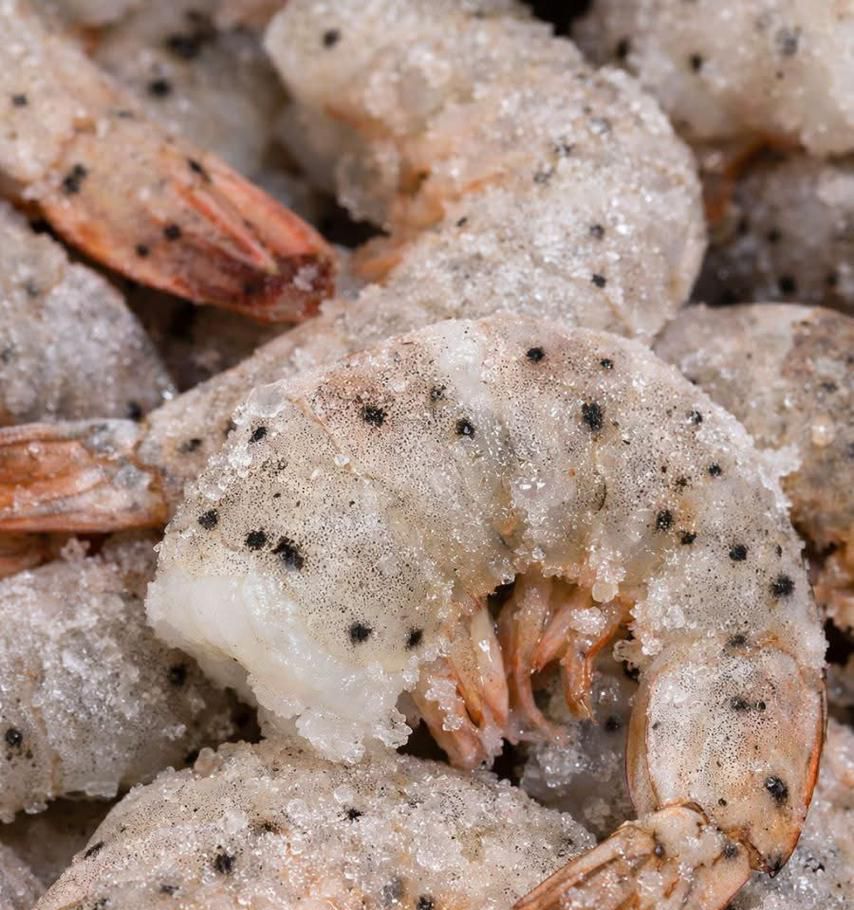
If you’ve ever opened a bag of frozen shrimp and noticed black spots on their shells, you might have immediately worried about the freshness and safety of your seafood. It’s a common concern for many home cooks who fear that these spots indicate spoilage or rot. However, understanding the nature of these spots can relieve these worries and help you make informed decisions about your seafood.
In this article, we’ll delve into what these black spots are, why they appear, and whether they pose any health risks. By the end, you’ll know how to distinguish between harmless discoloration and true spoilage, as well as how to handle and cook shrimp that might not look perfect but are still safe and delicious.
- What Those Black Spots on Shrimp Shells Actually Are
The black spots you see on shrimp shells are typically a result of a process called melanosis. Often referred to as ‘black spot’ or ‘blackening,’ melanosis is a natural and harmless occurrence. It happens when the shrimp’s body reacts to oxygen and enzymes, much like how an apple turns brown when exposed to air.
This process begins as soon as the shrimp is harvested and is not an indication of spoilage. The black spots are purely cosmetic and affect the shell, not the flesh of the shrimp. Despite their appearance, shrimp with melanosis are usually safe to eat. - Melanosis Explained: The Science Behind Shrimp ‘Black Spots’
Melanosis occurs due to the enzymatic oxidation of phenolic compounds in the shrimp’s shell. Enzymes such as polyphenol oxidase are activated when the shrimp is exposed to air after being caught. This enzyme facilitates the conversion of phenolic compounds into melanin, the same pigment responsible for human skin color.
Melanosis can begin within hours after the shrimp is harvested, especially if not immediately chilled. This process is more pronounced in warm water shrimp and can continue even after freezing, which is why you might see black spots on your frozen shrimp. - How to Tell Melanosis From True Rot or Spoilage
While melanosis is harmless, it’s crucial to differentiate it from actual spoilage. Spoiled shrimp will have a strong, unpleasant odor, reminiscent of ammonia or sulfur, which is not present with melanosis. Additionally, the texture of spoiled shrimp becomes mushy, and the flesh may appear discolored or slimy.
In contrast, shrimp affected by melanosis will have firm flesh and a briny, ocean-like smell. The black spots will be confined to the shell and not affect the color or texture of the meat inside. - Does Melanosis Make Shrimp Unsafe to Eat?
Melanosis does not make shrimp unsafe to eat. The black spots are purely a cosmetic issue and do not affect the taste or safety of the shrimp. However, if you notice any other signs of spoilage, such as an off smell or slimy texture, it’s best to err on the side of caution and discard the shrimp.
For those concerned with aesthetics, peeling the shrimp will remove the blackened shells, leaving the meat ready for cooking. - Smell, Texture, and Color: The Real Signs Your Shrimp Has Gone Bad
When assessing shrimp for freshness, rely on your senses. Fresh shrimp should have a mild sea-like smell. If it smells like ammonia or has a sour odor, it’s a sign of spoilage. The texture should be firm and elastic to the touch; a limp or mushy texture indicates decay.
The color should be translucent and slightly pink; any yellowing or opaque discoloration is a sign of aging or spoilage. Always trust your senses and when in doubt, throw it out. - Why Frozen Shrimp Can Still Develop Black Spots
Even though freezing shrimp halts the growth of bacteria and spoilage, it doesn’t stop enzymatic processes like melanosis. If shrimp are not treated with preservatives before freezing, oxidation can continue, leading to black spots even in frozen shrimp.
Some shrimp are treated with preservatives like sulfites to prevent melanosis, but untreated shrimp can develop these spots if not processed promptly after harvest. - The Role of Sulfites and Other Preservatives in Preventing Melanosis
Sulfites are often used in the seafood industry to prevent melanosis in shrimp. They act by inhibiting the action of polyphenol oxidase, thereby stopping the formation of black spots. It’s important to note that while sulfites are effective, they can cause allergic reactions in some individuals.
Alternatives to sulfites include natural inhibitors like ascorbic acid (vitamin C) and citric acid, which are safer options for those with allergies. These alternatives also help preserve the appearance of shrimp without affecting taste. - When to Toss Shrimp: Red Flags You Shouldn’t Ignore
While melanosis is not a reason to discard shrimp, certain signs are. If your shrimp smells off, has a slimy texture, or the shell is peeling away from the flesh, it is no longer safe to eat. Additionally, if the shrimp has been stored improperly or for an extended period, it’s best to discard it.
Always check the storage conditions and the ‘use by’ date on packages. When in doubt, it’s safer to dispose of questionable seafood than risk food poisoning. - Safe Prep: How to Clean, Peel, and Cook Shrimp With Black Spots
Handling shrimp with melanosis involves the same steps as with blemish-free shrimp. Rinse the shrimp under cold water, peel off the shells, and remove the vein. The black spots will be discarded along with the shell.
Once cleaned, cook the shrimp using your preferred method, whether boiling, grilling, or sautéing. Remember, shrimp cooks quickly, usually needing only 2-3 minutes per side, depending on size. - Buying Tips to Avoid Unsightly or Low-Quality Shrimp
To minimize the risk of purchasing shrimp with melanosis, buy from reputable suppliers who handle seafood with care. Look for shrimp that are stored on ice and have firm, translucent flesh.
Ask if the shrimp have been treated with sulfites or other preservatives if you’re concerned about additives. When possible, buy whole shrimp and peel them yourself to ensure quality. - Expert Answers to Common Questions About Black-Spotted Shrimp
Many people wonder if black spots indicate a health risk. Experts agree that melanosis is harmless and doesn’t affect the nutritional value or safety of the shrimp. However, if you’re unsure about the freshness, it’s best to rely on smell, texture, and color.
Another common question is whether all shrimp are prone to melanosis. The answer is yes, but it is more common in warm-water shrimp and those not immediately chilled after harvest. To ensure the best quality, inquire about the handling practices of your seafood supplier.