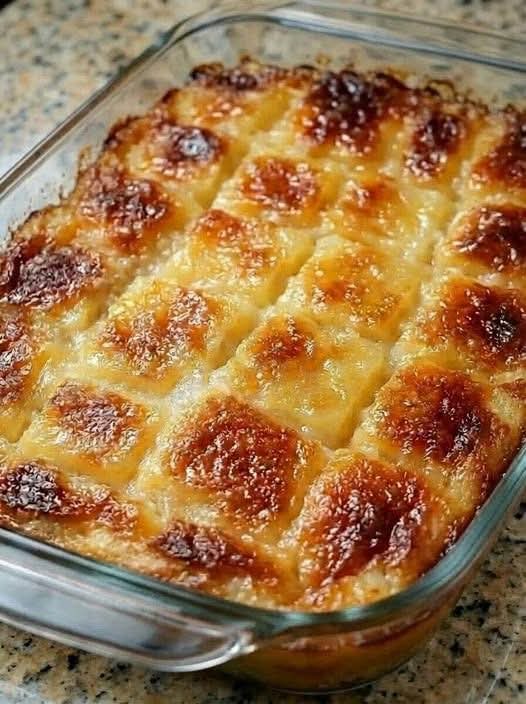
Ultimate Moroccan-Style Semolina Cake (Basbousa / Namoura / Harissa) – Authentic & Foolproof Recipe
Introduction to This Beloved Dessert
Semolina cake holds a special place in Middle Eastern and North African homes. In Morocco, it’s often enjoyed during tea time, family gatherings, or Ramadan iftars, where its comforting sweetness pairs beautifully with mint tea. While versions differ slightly by country (Egyptian basbousa tends to be softer and more coconut-heavy, Lebanese namoura firmer and tahini-greased, Palestinian harissa nuttier), the Moroccan adaptation frequently emphasizes balance—less coconut sometimes, more focus on semolina’s natural texture, and a fragrant syrup with local twists like orange blossom water.
This recipe serves 12–16 pieces (perfect for a 9×13-inch baking dish) and yields a cake that’s moist yet structured, not overly dense or dry. The key secret? Letting the batter rest so semolina absorbs liquids fully, scoring before baking for even syrup soaking, and pouring hot syrup over a hot cake (or vice versa in some traditions) for perfect absorption without sogginess.
Total time: About 1 hour (plus optional resting)
Active time: 20–25 minutes
Difficulty: Beginner-friendly
Ingredients
For the cake batter:
- 3 cups (about 500–550 g) coarse semolina (use medium-coarse if coarse is unavailable; avoid fine semolina as it makes the texture pasty)
- 1 cup (200 g) granulated white sugar
- 1 cup (240 g) plain full-fat yogurt (Greek yogurt works wonderfully for extra richness; avoid low-fat versions)
- 1 cup (240 ml) whole milk (or a mix of milk + cream for decadence)
- ¾–1 cup (170–225 g) unsalted butter or ghee, melted (ghee adds authentic flavor; clarified butter is traditional in many homes)
- ½ cup (about 40–50 g) unsweetened desiccated coconut (optional but recommended for moisture and subtle sweetness; reduce if you prefer a purer semolina taste)
- 1½ teaspoons baking powder
- ½ teaspoon baking soda (reacts with yogurt for lift)
- ¼ teaspoon salt
- 1 teaspoon vanilla extract (optional)
- Zest of 1 lemon or orange (optional, for brightness—very Moroccan-inspired)
For greasing the pan:
- 2–3 tablespoons tahini paste (traditional; gives nutty flavor and prevents sticking) or extra melted butter/oil
For topping/garnish:
- 20–30 blanched whole almonds or halved almonds (traditional diamond pattern)
- Optional: pine nuts, pistachios, or walnut halves for variety
For the simple syrup (very important for moisture):
- 2 cups (400 g) granulated white sugar
- 2 cups (480 ml) water
- Squeeze of juice from ½ lemon (about 1–2 tablespoons; prevents crystallization and adds tang)
- 1–2 tablespoons orange blossom water or rose water (start with 1 tbsp; orange blossom is more common in Moroccan/North African versions)
- Optional: 1 cinnamon stick, 2–3 cardamom pods, or a strip of orange zest during boiling for extra aroma
Step-by-Step Instructions
- Prepare the syrup first (so it can cool slightly while you make the cake)
In a medium saucepan, combine sugar and water. Stir over medium heat until sugar dissolves completely. Add lemon juice (and any optional aromatics like cinnamon or cardamom). Bring to a gentle boil, then reduce heat and simmer 8–12 minutes until slightly thickened (it should coat the back of a spoon but still be pourable—not caramel). Remove from heat, stir in orange blossom/rose water, and set aside to cool a bit. The syrup should be warm (not boiling hot) when poured over the cake, but many Moroccan cooks pour it hot for faster absorption. - Preheat oven and prepare pan
Preheat your oven to 180°C (350°F). Grease a 9×13-inch (23×33 cm) rectangular glass or metal baking dish generously with tahini using a pastry brush (this adds authentic flavor and creates non-stick magic). If no tahini, use butter or oil and line with parchment if worried about sticking. - Mix dry ingredients
In a large mixing bowl, combine coarse semolina, sugar, baking powder, baking soda, salt, and desiccated coconut (if using). Whisk or stir thoroughly so everything distributes evenly. This dry mix prevents lumps later. - Add wet ingredients
Pour in melted butter/ghee, yogurt, milk, vanilla (if using), and citrus zest. Mix with a wooden spoon, spatula, or clean hands until fully combined. The batter will be thick, wet, and grainy—like wet sand or cookie dough. Do not overmix; just ensure no dry pockets remain. Semolina absorbs liquid slowly, so the batter thickens as it sits. - Rest the batter (critical step!)
Cover and let rest 20–45 minutes at room temperature (or up to 2 hours in fridge). This hydration step is what separates good semolina cake from great: semolina grains swell, yielding tender, non-gritty texture. - Assemble and score
Spread batter evenly into greased pan (about ¾–1 inch thick). Smooth top with spatula. Press almonds gently into surface in a diamond pattern: make parallel cuts one way, then diagonal the other way, placing an almond at each intersection. This creates 20–30 neat pieces and prevents cracking during baking. - Bake
Bake 30–40 minutes until golden brown on top, edges pull slightly from sides, and a toothpick inserted comes out clean or with dry crumbs. The top should develop caramelized spots—don’t underbake, or it stays pale and less flavorful. - Syrup soaking (the magic moment)
Remove cake from oven. Immediately score along pre-pressed lines with a sharp knife (re-cut if needed). Pour warm (or hot) syrup slowly and evenly over entire surface—start at edges and work inward. You’ll hear sizzling as it absorbs. Use all syrup; it seems like too much but cake drinks it up. Let sit 30–60 minutes (or overnight for best flavor) so syrup distributes fully. - Serve
Cut along scored lines. Serve at room temperature or slightly warm. Pairs perfectly with mint tea, coffee, or as dessert after tagine.
Tips for Perfect Results Every Time
- Semolina type matters: Coarse gives signature nubby texture; mix coarse + fine (75/25) if too gritty.
- Don’t skip resting: Dry batter = dry cake.
- Syrup absorption: Hot cake + warm syrup = best soak without mushiness.
- Storage: Keeps 4–5 days covered at room temp, 7–10 days refrigerated. Freezes well (cut pieces, wrap individually).
- Troubleshooting: Too dry? Add ¼ cup extra milk next time. Too wet? Reduce milk slightly. Crumbly? More resting or extra yogurt.
- Make-ahead: Bake day before, syrup soak overnight—flavors deepen.
Variations to Try
- Coconut-heavy Egyptian style: Increase coconut to 1–1½ cups, reduce milk slightly.
- Tahini-rich Lebanese namoura: Grease with more tahini, add ¼ cup tahini to batter.
- Nut-free: Skip almonds; top with sesame seeds.
- Vegan: Use plant yogurt, coconut oil/ghee alternative, plant milk.
- Spiced Moroccan twist: Add ½ tsp ground cinnamon or cardamom to batter.
- Less sweet: Reduce sugar to ¾ cup in batter, syrup to 1½ cups sugar.
Cultural Notes & History
This cake traces roots to ancient semolina puddings across Mediterranean. In Morocco, it’s everyday luxury—simple ingredients elevated by technique. During holidays, it’s shared generously. Names reflect regional pride: “basbousa” endearment-like (“my sweet”), “namoura” tied to Lebanese tradition, “harissa” meaning “mashed” for mixing method.
Enjoy baking this timeless treat—its aroma fills home with warmth. Share with loved ones, and savor slowly.