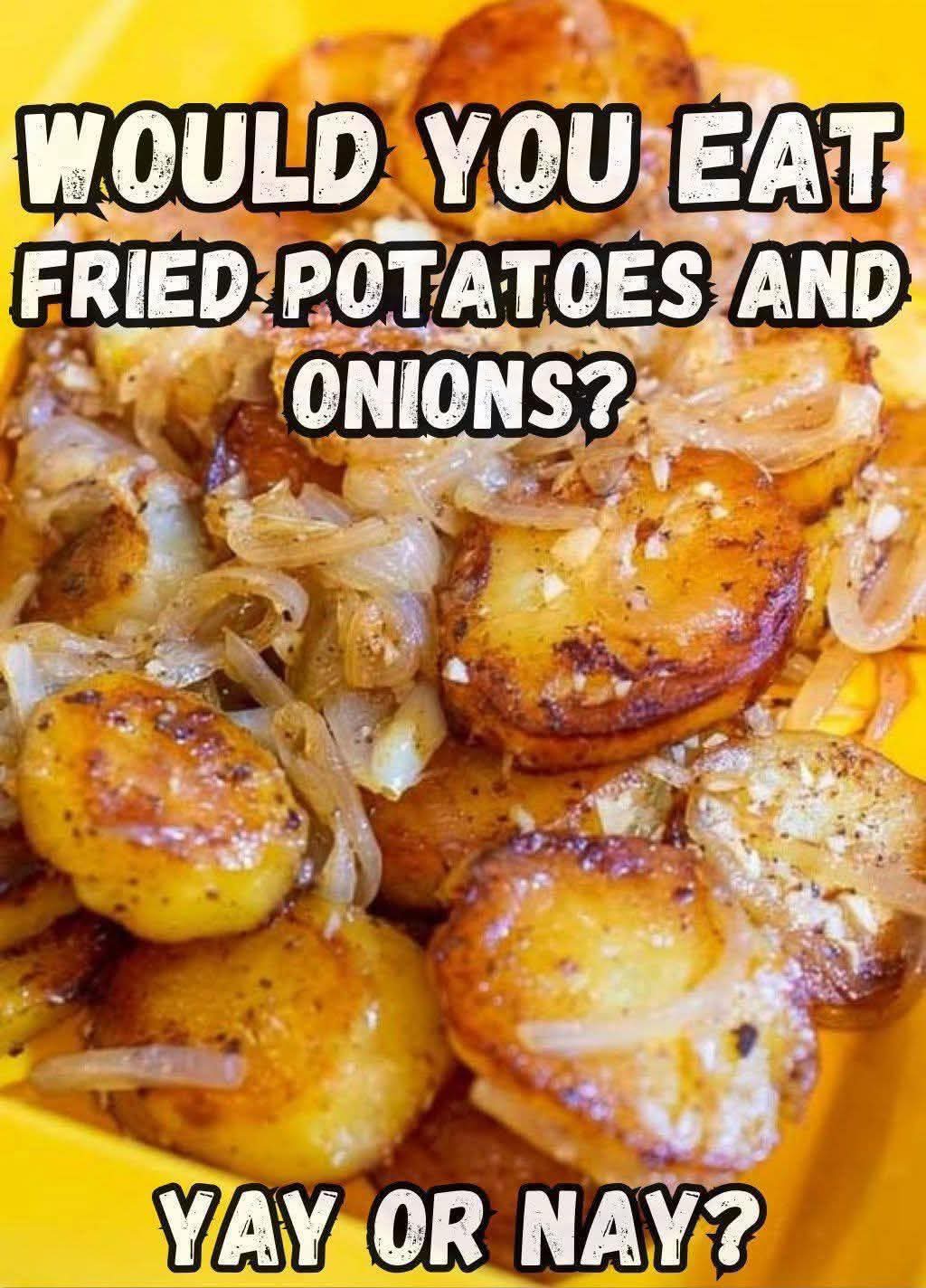
Ultimate Crispy Skillet Fried Potatoes and Onions – The Definitive Guide
Prep Time: 15 minutes
Cook Time: 30–40 minutes
Total Time: About 45–55 minutes
Servings: 4–6 as a side dish (generous portions)
Difficulty: Easy to intermediate (mostly hands-off once cooking starts)
Cuisine: American comfort / Southern-inspired / Home-style
This dish is simple at its core—just potatoes, onions, fat, and seasoning—but the technique makes all the difference between soggy hash and addictive, crispy perfection. We’ll cover the classic pan-fried method, plus pro tips for maximum crispiness, common mistakes to avoid, and many ways to customize it.
Why This Recipe Works (and Why You’ll Love It)
Fried potatoes and onions have been a staple in home kitchens for generations. In the American South, they’re often called “Southern fried potatoes” or “skillet potatoes,” served alongside eggs for breakfast, with steak for dinner, or as a hearty side for barbecues. The magic happens when starchy potatoes (like Russets) meet high heat: the exterior crisps up while the interior stays creamy. Onions add sweetness and depth as they caramelize slowly, balancing the savory potatoes.
This version aims for the best of both worlds: crispy edges like diner-style home fries, tender centers, and beautifully golden onions that aren’t burnt or raw. No deep-frying required—just a good skillet and patience.
Ingredients
For the base (serves 4–6):
- 2.5–3 lbs (about 1.1–1.4 kg) Russet potatoes (or Yukon Gold for creamier texture; Russets give the crispiest results)
- 2 large yellow or sweet onions (Vidalia if in season for extra sweetness)
- 4–5 tablespoons neutral oil with high smoke point (vegetable, canola, avocado, or peanut oil)
- 2–3 tablespoons unsalted butter (for flavor; optional but highly recommended)
- 1–1.5 teaspoons kosher salt (adjust to taste; start lower if using salted butter)
- ¾–1 teaspoon freshly ground black pepper
- ½–1 teaspoon garlic powder (optional but adds savory depth without burning fresh garlic)
- ½ teaspoon smoked paprika or regular paprika (optional, for subtle smokiness and color)
- Optional extras: ½ teaspoon onion powder, pinch of cayenne for heat, dried thyme or rosemary (½ tsp), fresh minced garlic (added late), chopped fresh parsley or green onions for garnish
Why these amounts? This scales for a large 12–14 inch skillet. Too few potatoes crowd the pan and steam instead of fry. Too much oil makes them greasy.
Equipment You’ll Need
- Large cast iron skillet (best for heat retention and natural non-stick when seasoned) or heavy-bottomed nonstick skillet
- Sharp chef’s knife or mandoline (for even slicing)
- Large bowl for soaking (optional but helps with crispiness)
- Spatula or fish spatula (metal works best for flipping without breaking pieces)
- Lid (for initial steaming phase if desired)
Step-by-Step Instructions
- Prepare the Potatoes (10–15 minutes)
Wash the potatoes thoroughly. Decide on peeling: Russets are often peeled for a cleaner look and texture, but leaving skins on adds rustic flavor, nutrients, and extra crispiness.
Cut into your preferred shape:
- Classic home-fry style: ½–¾ inch cubes or chunks (most popular for even cooking).
- Sliced rounds: ⅛–¼ inch thick slices (diner-style, faster crisping but more flipping needed).
- Wedges or halves: For heartier portions.
Optional but recommended for ultra-crispy results: Place cut potatoes in a bowl of cold water for 10–30 minutes. This removes excess starch, preventing sogginess and helping browning. Drain and pat very dry with paper towels or a clean kitchen towel—moisture is the enemy of crispiness.
- Prep the Onions
Peel and slice the onions thinly (about ⅛–¼ inch). Thin slices caramelize faster and distribute flavor evenly. If you prefer bigger bites, cut into half-moon slices or dice. Set aside separately from potatoes. - Heat the Skillet
Place your skillet over medium-high heat. Add 3–4 tablespoons of oil (enough to coat the bottom generously; add more if needed later). Heat until shimmering but not smoking (about 2–3 minutes).
Add butter now if using—it adds incredible flavor but has lower smoke point, so combine with oil. - Start Cooking the Potatoes
Add the dried potatoes to the hot skillet in a single layer as much as possible (work in batches if your pan is smaller). Sprinkle half the salt, pepper, garlic powder, and paprika evenly over the top.
Do not stir immediately. Let them sit undisturbed for 4–6 minutes to develop a golden crust on the bottom. This is crucial for crispiness. - Add Onions and Flip
Scatter the sliced onions over the potatoes. The onions will start to soften and release moisture, which helps steam the potatoes slightly while they fry.
After another 3–4 minutes, use your spatula to gently flip sections. You want to turn pieces to brown multiple sides.
Reduce heat slightly to medium if things brown too fast. - The Cooking Dance (20–30 minutes total frying time)
Continue cooking, flipping/stirring every 4–6 minutes. Stir less often for more crispiness—frequent stirring steams instead of fries.
Total time varies by cut size and stove:
- Cubes: 25–35 minutes
- Thin slices: 20–30 minutes
Potatoes are done when fork-tender inside and golden-brown with crispy edges. Onions should be soft, caramelized, and sweet (not burnt).
If potatoes seem dry, add 1–2 more tablespoons oil around the edges. If too oily, drain excess on paper towels at the end.
- Final Seasoning and Rest
Taste and adjust salt/pepper. For extra flavor, add fresh minced garlic in the last 2 minutes (it burns easily).
Turn off heat and let rest 2–3 minutes—this helps flavors meld and crisp set. - Serve
Transfer to a serving platter or serve straight from the skillet. Garnish with chopped parsley, chives, or green onions if desired.
Tips for Maximum Crispiness
- Dry potatoes thoroughly after soaking.
- Use high-heat oil and hot pan.
- Don’t overcrowd—single layer is ideal.
- Patience: Resist stirring too often.
- Cast iron retains heat best.
- For extra crunch: Finish under broiler 2–3 minutes (watch closely).
Common Mistakes and Fixes
- Soggy potatoes? Didn’t dry them or stirred too much.
- Burnt onions? Added too early or heat too high—add midway.
- Greasy? Too much oil or low heat.
- Uneven cooking? Cut pieces same size.
Variations to Try
- Loaded version: Add bacon bits, cheese, sour cream.
- Spicy: Cayenne, chili powder, jalapeños.
- Herb-infused: Fresh rosemary/thyme.
- Cheesy: Melt cheddar on top last minute.
- Breakfast hash: Add bell peppers, sausage.
- Oven-baked alternative: Toss in oil/spices, bake at 425°F (220°C) 35–45 min, flipping halfway.
Serving Suggestions
- Breakfast: With eggs, bacon, toast.
- Dinner side: Steak, chicken, burgers, grilled fish.
- As main: Top with fried egg or beans.
- Leftovers: Reheat in skillet for crisp revival; great in tacos or omelets.
Nutritional Notes (Approximate per serving, based on 6 servings)
- Calories: 280–350
- Carbs: 40–50g (mostly from potatoes)
- Fat: 12–18g (depends on oil/butter)
- Protein: 5g
- Good source of potassium, vitamin C, fiber (with skins).
High-carb comfort food—enjoy in moderation!
A Bit of History and Cultural Context
Fried potatoes and onions appear in many cultures: American Southern home cooking, Slavic pan-fried potatoes, Irish champ variations, etc. In the U.S., they’re tied to Appalachian and diner traditions—simple, filling, using pantry staples.
This dish proves great cooking doesn’t need fancy ingredients—just technique and love.
Enjoy your skillet full of golden goodness! If you make it, let me know how crispy you got them. What’s your favorite way to eat fried potatoes and onions? Breakfast, dinner, or straight from the pan at midnight? 🔥🥔🧅