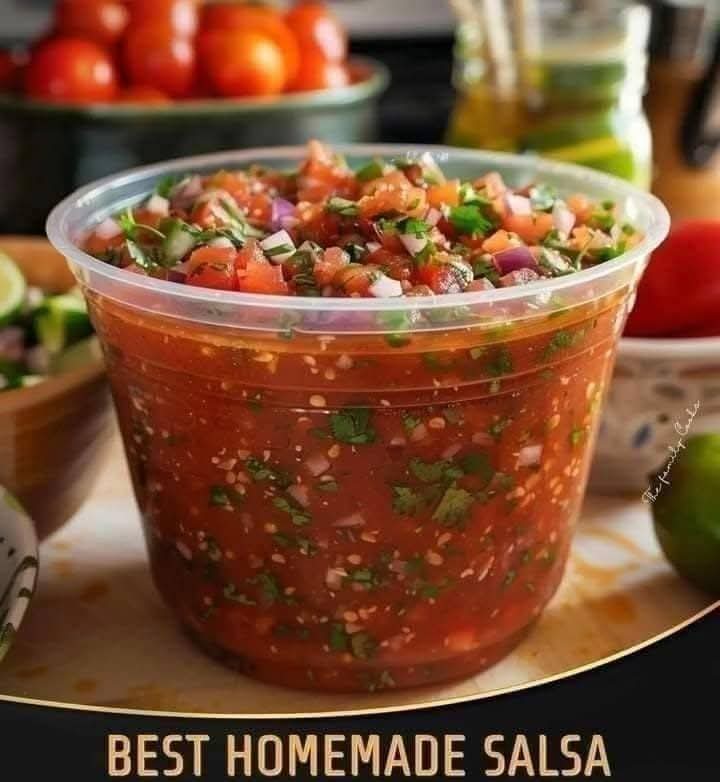
Ultimate Homemade Salsa Recipe: Fresh, Zesty, and Irresistibly Flavorful
Dive into the vibrant world of homemade salsa with this comprehensive guide to creating the best fresh salsa right in your kitchen. This classic pico de gallo-style salsa bursts with ripe tomatoes, crisp onions, tangy lime, and a kick of jalapeño, making it the perfect accompaniment for tacos, chips, or grilled meats. Easy to prepare in just 15 minutes, this recipe yields about 4 cups, serving 8-10 as an appetizer. With no cooking required, it’s a no-fuss crowd-pleaser that’s infinitely customizable. Whether you’re hosting a gathering or simply craving authentic Mexican flavors, this salsa will elevate your meals. Prep time: 15 minutes | Total time: 15 minutes (plus optional chilling).
Introduction to Homemade Salsa
Salsa, the Spanish word for “sauce,” has become a global staple, synonymous with fresh, bold flavors. Originating in Mesoamerica, where indigenous peoples like the Aztecs mixed tomatoes, chilies, and herbs as early as 3000 BC, salsa evolved through centuries of cultural exchange. Spanish colonizers introduced it to Europe in the 16th century, but it truly flourished in Mexico, where regional variations abound—from fiery salsa roja to fruity mango versions.
In modern times, salsa surpassed ketchup as America’s top condiment in the 1990s, thanks to the rise of Tex-Mex cuisine and immigration influences. Homemade salsa stands out for its freshness: Unlike jarred varieties loaded with preservatives, homemade allows control over ingredients, spice levels, and textures. It’s not just a dip; it’s a versatile base for guacamole, marinades, or even salad dressings.
This recipe focuses on a classic fresh salsa, often called salsa fresca or pico de gallo (“rooster’s beak,” possibly due to its peck-like chopping or finger-eating style). We’ll explore every aspect, from selecting peak-season produce to advanced techniques, ensuring you craft a salsa that’s restaurant-quality. For those in regions like Béni Mellal-Khénifra, Morocco, where fresh tomatoes and herbs are abundant in local souks, this recipe adapts beautifully using seasonal ingredients. Let’s embark on this flavorful journey!
Why Make Salsa from Scratch?
Opting for homemade salsa offers myriad benefits over store-bought. Freshness is paramount: Commercial salsas often undergo pasteurization, dulling vibrant tastes and textures. Homemade lets you use ripe, in-season tomatoes for peak sweetness and juiciness, avoiding the metallic tang of canned alternatives.
Customization is another perk—adjust heat with more or fewer chilies, add sweetness with fruits, or incorporate herbs like mint for a Moroccan twist. Health-wise, you control sodium and avoid additives; a homemade batch can be low-calorie yet nutrient-packed. Economically, it’s thrifty: Ingredients for 4 cups cost around $5-7, versus $4-6 for a smaller jar.
Culturally, making salsa connects you to traditions. In Mexico, it’s a family affair, with recipes passed down generations. In Morocco, similar fresh salads like zaalouk echo salsa’s chopped veggie style. For beginners, it’s forgiving—no baking precision needed. Advanced cooks can experiment with fermentation for probiotic benefits. Overall, homemade salsa transforms simple produce into a symphony of flavors, fostering creativity and satisfaction.
Ingredients Breakdown
Quality ingredients make exceptional salsa. Here’s a detailed list with explanations, substitutions, and sourcing tips.
Core Ingredients (For a balanced, classic flavor):
- 6 medium ripe tomatoes (about 2 pounds): Roma or vine-ripened for firmness and low water content; they provide the juicy base. Tomatoes, domesticated in Mexico around 500 BC, are rich in lycopene for heart health. Substitute with cherry tomatoes for sweeter notes or canned in off-season (drain well).
- 1 medium red onion (about ½ cup finely diced): Adds sharp crunch; red for color and milder flavor than white. Onions, cultivated for 5,000 years, originated in Asia but thrive in Moroccan climates.
- 2-3 jalapeño peppers (seeded and minced): For heat; adjust based on preference. Jalapeños rate 2,500-8,000 on the Scoville scale. Substitute serranos for more spice or bell peppers for mild.
- ½ cup fresh cilantro, chopped: Imparts bright, herbaceous notes; stems add flavor too. Cilantro, also called coriander leaves, divides opinions due to genetics—some taste soap. Substitute parsley or basil if averse.
- 3-4 limes (juice of, about ¼ cup): For acidity to brighten and preserve. Limes, from Southeast Asia, add vitamin C. Lemon works as a substitute.
- 1 teaspoon salt (kosher or sea): Enhances flavors; start low and taste.
- ½ teaspoon ground cumin (optional): For earthy depth; toast seeds for intensity.
- 2 garlic cloves, minced: Adds pungent aroma; fresh is best over powder.
Optional Add-Ins (For customization):
- 1 cucumber, diced: For extra crunch and cooling.
- 1 avocado, diced: Turns it into guasacaca-like dip; add last to prevent browning.
- 1 mango or pineapple, diced: For tropical sweetness.
- Black beans or corn: For heartiness, making it a salsa-salad hybrid.
In Béni Mellal, source tomatoes and herbs from local markets for freshness; opt for organic to avoid pesticides. Total cost: Affordable, emphasizing whole foods.
Equipment You’ll Need
Minimal tools suffice for salsa, keeping it accessible:
- Sharp chef’s knife: For precise dicing; a dull blade bruises produce.
- Cutting board: Wooden or plastic; separate for veggies to avoid cross-contamination.
- Mixing bowl: Large glass or stainless steel; non-reactive to acids.
- Citrus juicer: Handheld for efficient lime squeezing.
- Food processor (optional): For pulsed chopping if hand-dicing tires you, but avoid pureeing for chunky texture.
- Measuring tools: Spoons and cups for accuracy.
- Storage containers: Glass jars for refrigeration; salsa lasts 3-5 days.
For Moroccan kitchens, a traditional tagine pestle can mince garlic. No fancy gadgets needed—salsa celebrates simplicity.
Step-by-Step Instructions
Crafting salsa is quick and intuitive. Follow these steps for optimal results.
Step 1: Prepare the Vegetables (5 minutes)
Wash all produce thoroughly. Core and dice tomatoes into ¼-inch pieces, discarding excess seeds if watery. Finely dice onion—rinse under cold water to mellow sharpness. Mince jalapeños (wear gloves to avoid capsaicin burn), removing seeds/veins for less heat. Chop cilantro, including tender stems. Mince garlic. Uniform cuts ensure even flavor distribution.
Step 2: Combine Ingredients (5 minutes)
In a large bowl, toss tomatoes, onion, jalapeños, cilantro, and garlic. Add cumin if using. This dry mix allows flavors to meld before liquids.
Step 3: Season and Acidify (3 minutes)
Sprinkle salt and squeeze lime juice over the mixture. Stir gently to combine. Taste and adjust—more lime for tang, salt for balance, or jalapeño for spice. Avoid over-stirring to keep texture chunky.
Step 4: Rest and Serve (2 minutes plus optional chill)
Let sit 10-15 minutes at room temperature for flavors to marry. For best results, chill 30 minutes to an hour. Serve with tortilla chips, over grilled fish, or in burritos.
This no-cook method preserves nutrients and freshness. For roasted salsa, char ingredients under a broiler first.
Tips for Perfect Salsa Every Time
Mastery comes with practice. Here are expert tips:
- Texture Balance: Aim for chunky—not too fine (mushy) or large (unwieldy). Dice consistently.
- Flavor Layering: Add ingredients in stages; acids last to prevent wilting.
- Heat Control: Taste jalapeños first—they vary in spiciness. For milder, use Anaheim peppers.
- Make-Ahead: Flavors intensify overnight, but consume within 5 days to avoid sogginess.
- Draining Excess Liquid: If watery, strain through a mesh sieve or cheesecloth.
- Seasonal Twists: In summer, use heirloom tomatoes; in winter, fire-roast for smokiness.
- Common Mistakes: Over-chopping cilantro (bitter) or skimping on lime (flat taste).
- Scaling: Double for parties; halve for small batches.
- High-Altitude: No major adjustments, but liquids evaporate faster if cooking variations.
For Béni Mellal’s warm climate, chill promptly to maintain crispness.
Nutritional Information and Health Considerations
Per ½ cup serving: About 30 calories, 0g fat, 7g carbs (2g fiber, 4g sugar), 1g protein. Low-calorie yet nutrient-dense: Tomatoes provide 20% DV vitamin C, onions offer quercetin for immunity, cilantro detoxifies.
Health perks: Antioxidant-rich, aiding digestion and weight management. Low sodium if you control salt. For diets: Vegan, gluten-free, keto-friendly (low carb). Concerns: Nightshade sensitivity (tomatoes/peppers); substitute with fruits.
Enhance nutrition: Add spinach for iron or quinoa for protein. In moderation, it’s a healthy snack.
Variations to Explore
Salsa’s adaptability shines in variations:
- Salsa Verde: Use tomatillos, green chilies, for tangy green version.
- Fruit Salsa: Mango, peach, or strawberry for sweet-heat; great with fish.
- Roasted Salsa: Char veggies for smoky depth.
- Black Bean Corn Salsa: Add beans, corn, bell peppers for Tex-Mex salad.
- Moroccan-Inspired: Incorporate olives, preserved lemon, harissa for fusion.
- Fermented Salsa: Add whey, ferment 2-3 days for probiotics.
- Spicy Habanero: For heat lovers; handle carefully.
- Creamy Salsa: Blend with yogurt or sour cream for dip.
Experiment regionally: In Morocco, blend with ras el hanout for exotic flair.
Pairing Suggestions
Salsa enhances many dishes:
- Snacks: Tortilla chips, veggie sticks.
- Mains: Tacos, quesadillas, grilled chicken.
- Beverages: Margaritas, beer, or mint tea for non-alcoholic.
- Meals: Breakfast burritos or dinner salads.
- Occasions: Cinco de Mayo, picnics, or Moroccan feasts with couscous.
The History and Cultural Impact of Salsa
Salsa’s roots trace to pre-Columbian Mexico, where Aztecs ground chilies with squash seeds. Post-conquest, tomatoes (from “tomatl”) became central. By the 1800s, bottled salsas emerged in the U.S.
Culturally, it symbolizes fusion: Tex-Mex in America, regional in Mexico (e.g., mole-like in Oaxaca). In Morocco, parallels exist in chermoula sauces. Globally, salsa dancing even borrows the name for its “saucy” style. Today, it’s a $2 billion industry, reflecting diversity.
Frequently Asked Questions
- How long does it last? 3-5 days refrigerated.
- Too spicy? Add sugar or dairy to tame.
- Freezable? Yes, but texture softens; freeze in portions.
- No cilantro? Use parsley.
- Authentic? Varies by region; this is inspired by central Mexico.
Conclusion: Create, Savor, and Share
This homemade salsa recipe is a gateway to culinary adventure—simple yet profound. With fresh ingredients and easy steps, you’ll produce a condiment that’s vibrant and versatile. Whether in Béni Mellal or beyond, embrace its heritage and make it your own.
Share on WordPress or social media with #HomemadeSalsaRecipe. Experiment boldly; food is about joy. Happy chopping!