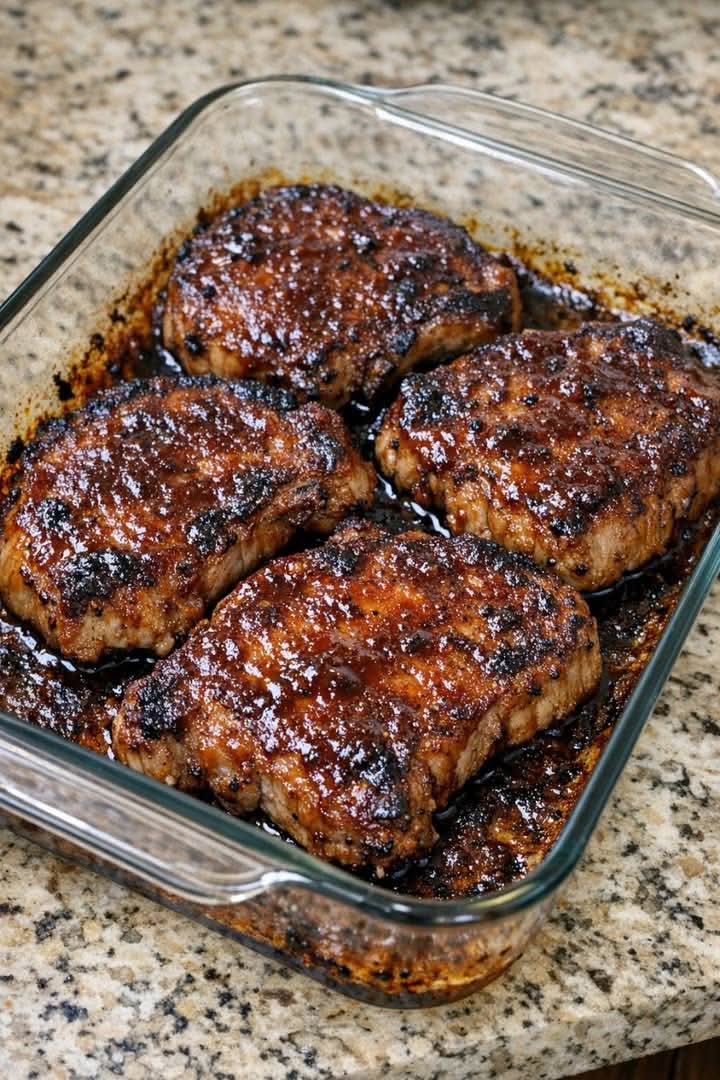
Oven-Baked Brown Sugar Glazed Pork Chops: A Comprehensive Guide to the Perfect Family Dinner
Welcome to this ultimate guide on preparing oven-baked brown sugar glazed pork chops! If you’re looking for a dish that’s juicy, flavorful, and incredibly easy to make, you’ve come to the right place. This recipe combines the savory tenderness of pork chops with a sweet and tangy glaze that caramelizes beautifully in the oven, creating a meal that’s sure to impress your family or guests. Whether you’re a beginner cook or a seasoned kitchen enthusiast, this detailed walkthrough will equip you with everything you need to know to master this classic comfort food.
In this extensive post, we’ll dive deep into the origins of pork chops as a staple in American cuisine, explore the science behind the glaze, break down each ingredient with sourcing tips and substitutions, provide a step-by-step cooking process with troubleshooting advice, offer numerous variations to suit different tastes and dietary needs, suggest perfect side dishes and beverage pairings, discuss nutritional benefits and considerations, and even answer frequently asked questions. By the end, you’ll not only have a foolproof recipe but also the confidence to experiment and make it your own.
Pork chops have been a beloved protein in households around the world for centuries, but this glazed version draws inspiration from Southern American cooking traditions where sweet and savory elements are masterfully balanced. The brown sugar glaze, often enhanced with soy sauce and Worcestershire for umami depth, transforms simple chops into something extraordinary. It’s a dish that’s versatile enough for weeknight dinners yet elegant for special occasions. Let’s embark on this culinary journey and uncover why this recipe deserves a spot in your regular rotation.
The History and Cultural Significance of Pork Chops
To truly appreciate this recipe, it’s worth taking a moment to understand the history of pork chops. Pork has been domesticated for over 9,000 years, with evidence of pig farming dating back to ancient civilizations in China and the Near East. In Europe, during the Middle Ages, pork became a primary meat source due to pigs’ efficiency in converting feed to protein. By the time European settlers arrived in the Americas, pork was integral to colonial diets, especially in the Southern United States where hogs thrived in the warm climate.
The concept of “chops” refers to cuts from the loin, rib, or shoulder, typically bone-in for added flavor and moisture retention. In American cuisine, baked or grilled pork chops gained popularity in the mid-20th century with the rise of home ovens and convenience cooking. The addition of a glaze, particularly one featuring brown sugar, can be traced to influences from Asian and Caribbean cuisines, where sweet glazes like teriyaki or jerk sauces highlight meat’s natural flavors.
Brown sugar, derived from molasses-rich sugarcane, adds a caramel note that’s distinctly American, reminiscent of barbecue traditions. Recipes like this one evolved in the 1950s and 1960s through cookbooks and women’s magazines, emphasizing quick, flavorful meals for busy families. Today, variations abound, but the core appeal remains: a balance of sweet, salty, and tangy that makes every bite addictive.
This dish also holds cultural significance in holiday meals and family gatherings. In many households, glazed pork chops evoke memories of Sunday suppers or potlucks, where the aroma of baking meat fills the home. As we move into modern times, adaptations for health-conscious eaters—using leaner cuts or alternative sweeteners—keep it relevant. Understanding this background not only enriches your cooking experience but also connects you to a long line of home cooks who have perfected similar techniques over generations.
Why Choose This Glazed Pork Chops Recipe?
What sets this oven-baked brown sugar glazed pork chops recipe apart from others? For starters, it’s incredibly simple, requiring minimal prep time and common pantry staples. The oven does most of the work, allowing you to multitask. The glaze creates a beautiful caramelization without the need for constant monitoring, unlike stovetop methods that can lead to uneven cooking or splatters.
From a flavor perspective, the combination of brown sugar’s sweetness, soy sauce’s saltiness, and Worcestershire’s tanginess creates a symphony of tastes. Garlic adds aromatic depth, while optional spices like paprika or cayenne introduce a subtle kick. This recipe is forgiving for beginners—if your chops are slightly thicker or thinner, adjustments are straightforward.
Health-wise, pork chops are a great source of protein, vitamins like B6 and B12, and minerals such as zinc and selenium. Opting for baking over frying reduces added fats, making it a lighter option. With portion control, it fits into balanced diets. Environmentally, choosing sustainably sourced pork supports ethical farming practices.
In terms of versatility, this dish pairs with everything from mashed potatoes to fresh salads, making it adaptable for seasons and occasions. It’s budget-friendly too—pork chops are often more affordable than beef or chicken equivalents. If you’re cooking for a crowd, it scales easily; just double the ingredients and use a larger baking dish.
Finally, this recipe encourages creativity. Once you master the base, you can experiment with infusions like herbs or fruits, turning a standard meal into a gourmet experience. It’s not just food; it’s an opportunity to express your culinary personality.
Ingredients: A Detailed Breakdown
Let’s dissect the ingredients for this recipe. We’ll make enough for 4 servings, but feel free to scale as needed. Each component is chosen for its role in flavor, texture, or structure, and I’ll include tips on selection, storage, and alternatives.
Main Ingredients:
- 4 thick-cut pork chops (bone-in or boneless, about 1-inch thick): The star of the show. Thick cuts ensure juiciness; bone-in adds flavor from the marrow. Choose chops with some marbling for tenderness. Source from a reputable butcher or grocery—look for pinkish-red meat without excessive fat or discoloration. Store in the fridge for up to 2 days or freeze for 3 months. Alternative: Use pork tenderloin slices for a leaner option or chicken breasts for non-pork eaters.
- 1/2 cup brown sugar (packed): Provides the sweet base for the glaze, caramelizing to create a sticky coating. Light or dark brown sugar works; dark adds more molasses depth. Opt for organic if possible to avoid additives. Store in an airtight container to prevent hardening. Substitute: Honey or maple syrup for a different sweetness profile, though adjust quantities as they’re liquid. 0 1
Glaze Components:
- 2 tablespoons soy sauce: Adds umami and saltiness, balancing the sweetness. Low-sodium versions help control salt intake. Choose tamari for gluten-free. Store in the pantry; it lasts indefinitely. Alternative: Coconut aminos for a soy-free twist.
- 1 tablespoon Worcestershire sauce: Contributes tang and complexity with its blend of vinegar, molasses, and anchovies. Vegetarian versions exist without fish. Keep in the fridge after opening. Substitute: Balsamic vinegar for a fruitier tang.
- 2 cloves garlic (minced): Infuses aromatic pungency. Fresh is best; pre-minced is convenient but less potent. Store whole bulbs in a cool, dry place. Alternative: Garlic powder (1/2 teaspoon) if fresh isn’t available.
- 2 tablespoons ketchup (optional): Adds tomato-based sweetness and thickness to the glaze. Use low-sugar if watching carbs. Store in fridge. Substitute: Tomato paste thinned with water.
- 1 teaspoon paprika (smoked or sweet): For subtle smokiness and color. Smoked paprika mimics barbecue flavors. Store in a dark cabinet. Alternative: Chili powder for heat.
- 1/2 teaspoon cayenne pepper (optional): Introduces spice. Adjust to taste; omit for mild versions. Store sealed. Substitute: Red pepper flakes.
- Salt and black pepper to taste: Enhances overall flavors. Use kosher salt for better distribution. Freshly ground pepper is superior.
Additional Items:
- 2 tablespoons olive oil or butter: For searing if desired, adding richness. Olive oil for health; butter for flavor. Store accordingly.
- Fresh herbs like thyme or parsley (for garnish, optional): Adds freshness. Chop just before using.
When shopping, aim for quality over quantity. Total cost should be under $20 for 4 servings, making it economical. Prep ingredients in advance for efficiency—measure out the glaze components into a bowl to streamline cooking.
Step-by-Step Instructions: Mastering the Technique
Now, the heart of the recipe: the cooking process. We’ll use a simple bake method, but I’ll include optional searing for extra caramelization. Preheat your oven to 350°F (175°C) to start. This temperature allows even cooking without drying out the meat.
Preparation (10-15 minutes):
- Pat the pork chops dry: Use paper towels to remove excess moisture. This ensures better browning and glaze adhesion. If frozen, thaw completely in the fridge overnight.
- Season the chops: Sprinkle both sides with salt, black pepper, paprika, and cayenne if using. Rub gently to infuse flavors. Let sit at room temperature for 10 minutes to temper, promoting even cooking.
- Prepare the glaze: In a small bowl, whisk together brown sugar, soy sauce, Worcestershire, minced garlic, ketchup (if using), and any spices. Stir until the sugar dissolves partially—it’s okay if some grains remain; they’ll melt in the oven. Taste and adjust; add more sugar for sweetness or soy for salt.
Optional Searing (5 minutes):
For a restaurant-quality crust, heat olive oil or butter in a large oven-safe skillet over medium-high heat. Sear the chops for 2-3 minutes per side until golden. This Maillard reaction enhances flavor. Transfer to a baking dish if your skillet isn’t oven-safe.
Baking (20-30 minutes):
- Arrange in the dish: Place the chops in a single layer in a glass or ceramic baking dish (9×13-inch works well). Pour the glaze evenly over each chop, ensuring full coverage. If bone-in, position bone-side down for stability.
- Bake covered: Cover with foil to trap moisture. Bake for 15-20 minutes. This steams the meat initially, keeping it tender.
- Uncover and baste: Remove foil, spoon accumulated juices over the chops. Bake uncovered for another 10-15 minutes until the glaze thickens and caramelizes, and internal temperature reaches 145°F (63°C) on a meat thermometer. Avoid overcooking to prevent dryness—pork is safe at medium.
- Rest the meat: Let chops rest for 5 minutes under loose foil. This redistributes juices for maximum juiciness.
Serving Suggestions:
Slice if desired, or serve whole. Drizzle with pan juices for extra flavor. Total time: about 45 minutes.
Troubleshooting: If glaze burns, lower temperature or add a splash of water. If chops are dry, they were likely overcooked—use a thermometer next time. For thicker cuts, extend baking by 5-10 minutes. 0 1 3
Tips and Tricks for Perfect Results Every Time
Achieving perfection requires a few insider tips. First, always use a meat thermometer—visual cues can be misleading, and 145°F ensures safety without toughness. For even thicker glaze, broil for 1-2 minutes at the end, watching closely to avoid charring.
Marinate the chops in the glaze for 30 minutes to 2 hours in the fridge for deeper flavor penetration. If doing so, reserve some glaze for basting to avoid cross-contamination.
Choose the right cut: Rib chops are flavorful, loin chops leaner. Bone-in retains moisture better. If using thin chops, reduce baking time to 15-20 minutes total.
For cleanup, line the baking dish with foil or use non-stick spray. Leftover glaze can be boiled down into a sauce—add cornstarch slurry for thickness.
Experiment with oven positions: Middle rack for even heat. If your oven runs hot, calibrate with an oven thermometer.
Storage: Refrigerate leftovers in airtight containers for up to 3 days. Reheat gently in the microwave or oven with a bit of water to restore moisture. Freeze cooked chops for 2 months; thaw and reheat.
Safety note: Handle raw pork with clean utensils to prevent cross-contamination. Wash hands and surfaces thoroughly.
Variations to Keep Things Exciting
Bored of the basic? Try these twists:
- Honey Garlic Version: Swap brown sugar for honey, add extra garlic and ginger for an Asian flair. Ideal for stir-fry sides. 4
- Balsamic Glazed: Use balsamic vinegar instead of Worcestershire for a Italian-inspired tang. Add rosemary for herbiness. 8
- Spicy Kick: Increase cayenne or add hot sauce to the glaze. Pair with cooling slaw.
- Fruit-Infused: Mix in pineapple juice or apricot preserves for tropical sweetness. Great for summer barbecues (adapt to grill).
- Low-Carb: Use sugar-free brown sugar substitute like Swerve. Still caramelizes well.
- Herb-Crusted: Coat chops in breadcrumbs mixed with herbs before glazing for crunch.
- Slow Cooker Adaptation: Cook on low for 4-6 hours, then broil for caramelization.
- Vegan Twist: Use tofu or seitan slabs with the same glaze—bake similarly.
Each variation maintains the core appeal while catering to preferences or occasions.
Perfect Pairings: Sides and Beverages
Complement your pork chops with sides that balance textures and flavors. For starch, try creamy mashed potatoes or roasted sweet potatoes to echo the sweetness. Veggies like green beans, broccoli, or a crisp salad provide contrast.
Grains such as rice pilaf or quinoa absorb the glaze nicely. For heartier meals, add baked apples or cornbread.
Beverages: A light white wine like Chardonnay cuts the richness; red like Pinot Noir for bolder tastes. Beer enthusiasts might enjoy an IPA for hoppy contrast. Non-alcoholic: Iced tea or apple cider.
For dessert, something light like fruit sorbet to cleanse the palate.
Nutritional Information and Health Considerations
Per serving (one chop with glaze): Approximately 350 calories, 25g protein, 20g fat (6g saturated), 20g carbs (15g sugars), 1g fiber. High in protein for muscle repair, but watch sodium from soy/Worcestershire—use low-sodium options.
Pork provides thiamine for energy metabolism. The glaze adds sugars, so portion mindfully for diabetics. For healthier tweaks: Trim fat, use less sugar, or air-fry instead of bake.
Consult a doctor for specific dietary needs, but in moderation, this is a nutritious choice.
Frequently Asked Questions
Can I use thin pork chops? Yes, but reduce baking time to avoid drying.
Is marinating necessary? Optional, but enhances flavor.
What if I don’t have Worcestershire? Substitute with soy and vinegar mix.
Can this be grilled? Absolutely—grill over medium heat, basting with glaze.
How do I know when it’s done? Internal temp of 145°F; juices run clear.
Are leftovers safe? Yes, if stored properly.
Conclusion
There you have it—an exhaustive guide to oven-baked brown sugar glazed pork chops that’s sure to become a favorite. With its blend of simplicity and sophistication, this recipe proves that great food doesn’t require complexity. Try it tonight, and let me know in the comments how it turns out! Happy cooking!