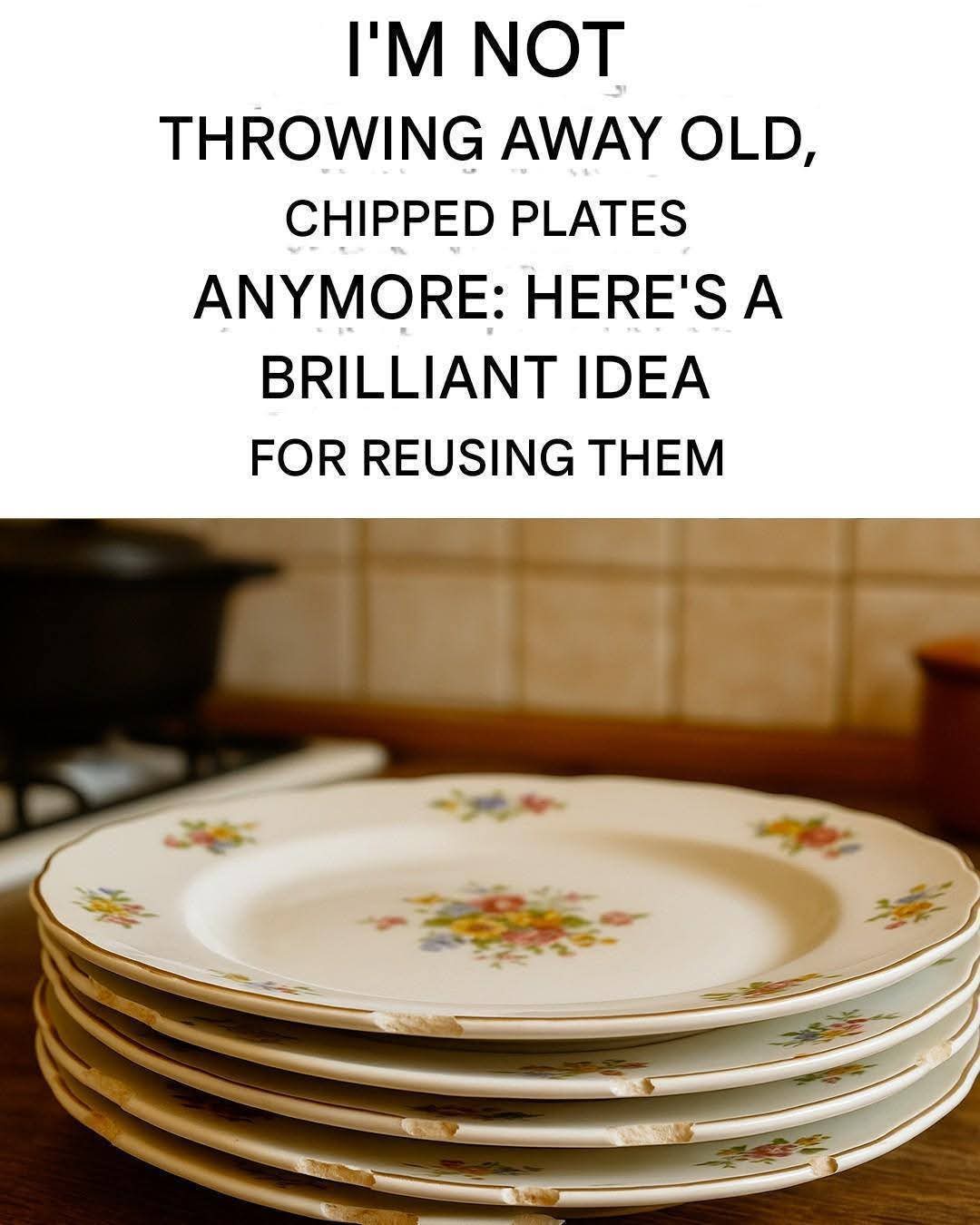
I’m Not Throwing Away Old, Chipped Plates Anymore: Here’s a Brilliant Idea for Reusing Them
This comprehensive guide explores dozens of ways to give new life to old, chipped, or even broken plates. We’ll cover everything from simple no-tools fixes to more involved DIY projects, focusing on upcycling that reduces waste while adding unique character to your home, garden, and daily routines. By the end, you’ll see why keeping those plates around isn’t just sentimental—it’s smart, sustainable, and surprisingly fun.
Why We Should Stop Throwing Away Chipped Plates
Every year, millions of tons of ceramics end up in landfills. Porcelain and china don’t biodegrade easily; they persist for centuries, taking up space and contributing to environmental strain. Chipped plates are often still structurally sound for non-food purposes, and many feature timeless patterns—floral motifs, gold rims, vintage designs—that are hard to replicate affordably today.
Beyond ecology, there’s emotional value. These items often represent family history. Repurposing honors that legacy rather than erasing it. Plus, upcycling saves money: no need to buy new planters, decor, or organizers when you have a stack ready to transform.
Safety note: Once chipped, plates can harbor bacteria in cracks if used for food, especially if glaze is damaged. Always transition them to non-food uses unless repaired with food-safe methods (rare for modern DIY).
Method 1: Embrace Imperfection with Kintsugi-Inspired Repair
One of the most elegant solutions is inspired by the Japanese art of kintsugi (golden joinery). This technique repairs breaks with lacquer dusted in gold powder, turning flaws into highlights.
Modern DIY versions use epoxy resin mixed with metallic gold pigment or gold leaf. Clean the chip or crack thoroughly, apply the adhesive, and dust with gold while wet. Let cure fully.
This works best for minor chips or clean breaks. The result? Plates that look artistically mended, perfect for display or light use (not microwave/oven-safe). Many artisans sell beginner kits online, making this accessible even for novices. It celebrates wabi-sabi—the beauty of imperfection—and can make a chipped set feel intentional and luxurious.
For purely decorative plates, paint over chips with gold acrylic for a faux-kintsugi look without glue.
Method 2: Simple Functional Repurposing Without Breaking Anything
If your plates are only lightly chipped, repurpose them whole:
- Plant saucers and drainage trays — Place under pots to catch water. Vintage patterns add charm to indoor plants.
- Soap dishes or bathroom trays — The raised edges contain water; floral designs brighten sinks.
- Jewelry or trinket holders — Use for rings, earrings, or keys on dressers.
- Candle holders — Pour soy wax directly into shallow plates for custom candles (use wicks safely).
- Serving trays for small items — Appetizers, condiments, or desk organizers.
- Paint palettes — Artists love the smooth surface for mixing colors.
- Wall art hangers — Use plate hangers or adhesive discs to display on walls like art pieces.
These require zero tools—just wash well and reassign.
Method 3: The Power of Mosaics – The Ultimate Upcycling Technique
Mosaics are the most popular and versatile way to reuse chipped or broken plates. Known as pique assiette (“plate thief” in French), this art form smashes china into pieces and embeds them in surfaces with adhesive and grout.
Why mosaics shine:
- They use even heavily damaged plates.
- Endless designs: patterns, abstract, floral collages.
- Durable outdoors or indoors.
Basic steps for mosaic projects:
- Gather materials — Old plates, hammer (in a bag to contain shards), safety goggles/gloves, tile adhesive or thinset mortar, substrate (wood, concrete, terracotta), grout, sponge.
- Break plates — Wrap in cloth and smash gently for varied sizes/shapes. Sort by color/pattern.
- Design — Sketch on base or arrange dry pieces first.
- Adhere — Spread adhesive, press pieces in (leave small gaps for grout).
- Grout — Apply, wipe excess after partial dry, seal if outdoors.
Popular mosaic ideas:
- Garden stepping stones — Pour concrete mix into molds (round or square), embed shards for non-slip, artistic paths. Sentimental pieces from family china create heirloom garden art.
- Birdhouses or planters — Cover bird feeders, pots, or wall planters. Cut bowls in half for planter pockets.
- Tabletops or benches — Transform outdoor furniture with weatherproof mosaic tops.
- Wall art panels — Small wood boards for kitchen backsplashes or decorative hangings.
- Picture frames or mirrors — Border mirrors with china pieces for eclectic bathroom decor.
- Wreaths — Glue shards to foam or wire wreaths for door decor.
Mosaics let you mix patterns creatively—combine floral with geometric for boho vibes.
Method 4: Garden and Outdoor Transformations
Outdoors, chipped plates thrive:
- Drainage layers — Smash and layer in pot bottoms for better drainage (better than gravel—lighter, prettier).
- Mulch alternative — Scatter small shards in garden beds to suppress weeds (sharp edges deter some pests; avoid high-traffic areas).
- Decorative borders — Embed upright shards around flower beds like mini fences.
- Wind chimes or sun catchers — Drill holes in pieces, string with wire for garden mobiles.
- Fairy garden accents — Tiny mosaic “tiles” for miniature scenes.
These add color without buying new decor.
Method 5: Home Decor and Functional Items
Indoors, get inventive:
- Tiered stands — Glue plates to candlesticks or bowls for dessert/cupcake towers.
- Clock faces — Add clock mechanism to center of plate.
- Jewelry — Smash into small pieces for pendants, earrings, or rings (seal edges).
- Coasters — Use whole chipped plates or mosaic small ones.
- Laundry scoops or kitchen scoops — Handles from silverware glued to plate pieces.
- Magnetic boards — Attach to fridge with magnets for notes.
For broken pieces, create coasters by embedding in resin.
Method 6: Artistic and Sentimental Projects
- Memory plates — Incorporate family china into shadow boxes or framed collages.
- Holiday ornaments — Smaller pieces into tree decorations.
- Pet memorials — Mosaic paw-print stones with shards.
- Community art — Donate to schools or centers for group projects.
Tips for Safe and Successful Upcycling
- Always wear safety gear when breaking china—sharp edges abound.
- Use strong adhesives (E6000, epoxy) for non-porous surfaces.
- Seal outdoor pieces with outdoor varnish or grout sealer.
- Check for lead in old glazes if using near food/kids (test kits available).
- Start small—test one plate before committing a set.
Conclusion: A New Chapter for Old Plates
Repurposing chipped plates transforms waste into wonder. Whether through elegant kintsugi repairs, practical reassignments, or vibrant mosaics, these projects extend the life of cherished items while reducing environmental impact. Next time you spot a chip, pause—imagine its potential as garden art, home accent, or family keepsake.
Upcycling isn’t just about saving money or space; it’s about storytelling. Your grandmother’s floral pattern could bloom again in a garden stepping stone, or your wedding china could sparkle in a mosaic mirror. In a world of disposable goods, choosing reuse is a small but meaningful act of creativity and care.
So gather those plates, embrace the chips, and start creating. Your home—and the planet—will thank you.