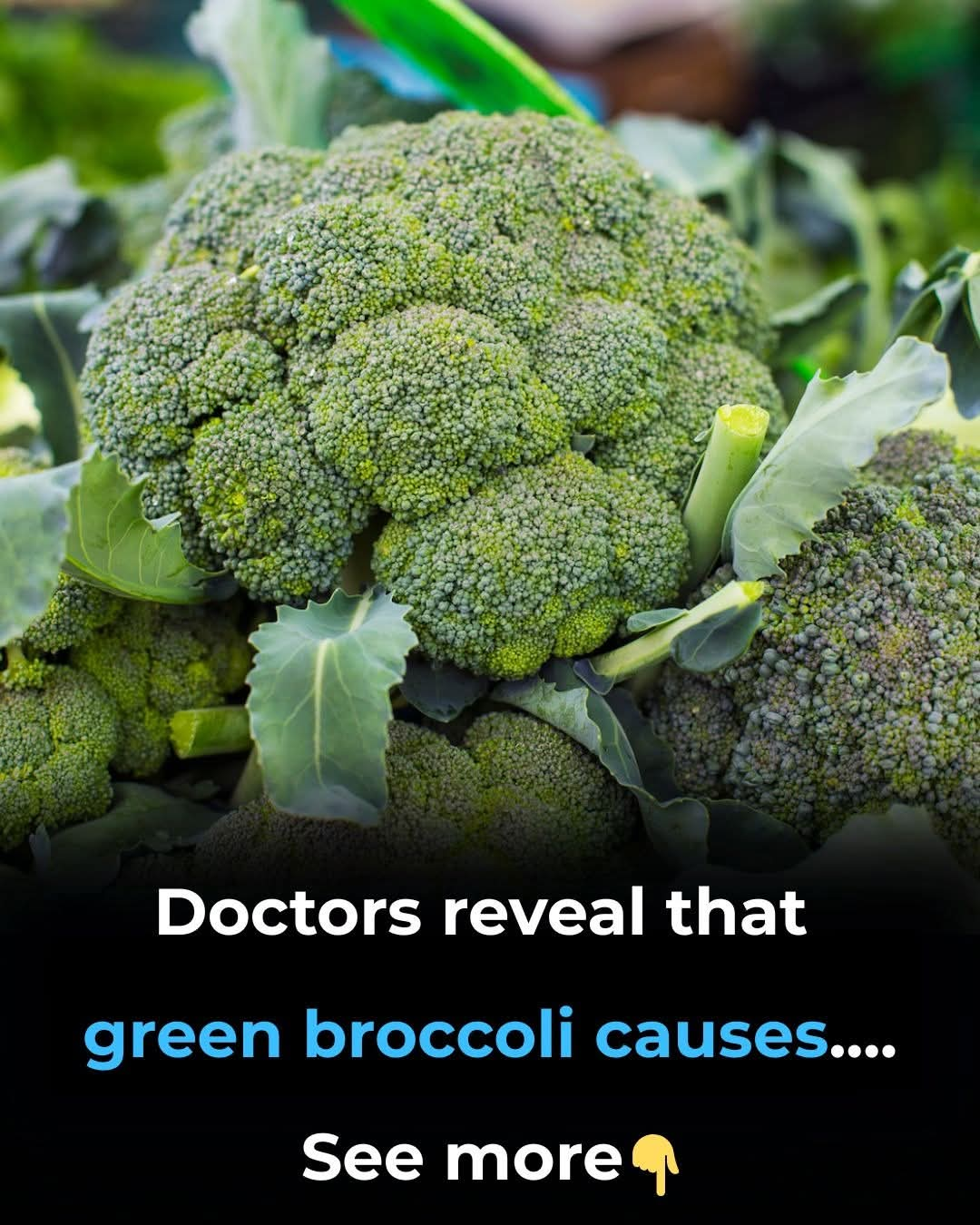
The Truth About Green Broccoli: Debunking the Clickbait Scare and Exploring Real Benefits and Risks
That eye-catching headline — “Doctors reveal that green broccoli causes…” with the dramatic ellipsis and pointing finger — is classic clickbait. You’ve probably seen similar posts on social media or dubious websites promising shocking revelations about everyday foods. They prey on fear to drive clicks, often leaving the sentence unfinished to lure you in.
The reality? Green broccoli doesn’t “cause” some mysterious, life-threatening condition as implied. Broccoli (the familiar bright green variety) is one of the most studied and consistently praised vegetables in nutritional science. It’s a cruciferous powerhouse loaded with vitamins, minerals, fiber, and unique compounds that offer impressive health benefits. However, like any food, excessive consumption or specific health conditions can lead to mild downsides.
In this comprehensive guide (aimed at around 3000 words), we’ll separate fact from fiction, dive into the science, cover benefits in detail, address legitimate risks, and provide practical advice for safe enjoyment. No photos here — just clear, evidence-based information for your WordPress article.
Why the Clickbait Exists: The Anatomy of a Broccoli Scare
Clickbait headlines about broccoli often twist real science out of context. Common culprits include:
- Goitrogens — Compounds in cruciferous veggies that can interfere with thyroid function in very large amounts, especially raw and in iodine-deficient people.
- Sulforaphane — Broccoli’s star anti-cancer compound, sometimes falsely labeled “toxic” by fringe voices (e.g., certain carnivore diet advocates).
- Oxalates — Natural plant chemicals linked to kidney stones in susceptible individuals.
- Gas and bloating — From high fiber and raffinose sugars.
- Rare cases of contamination (e.g., botulism in improperly stored broccoli products).
Sensational articles cherry-pick studies showing potential downsides while ignoring the overwhelming evidence of benefits. Satirical or exaggerated pieces (like one titled “Broccoli is bad for you, like, really toxic bad”) highlight how easy it is to spin any food negatively by overemphasizing isolated risks.
In truth, major health organizations (including the American Cancer Society, NIH, and WHO-aligned research) consistently recommend cruciferous vegetables like broccoli for their protective effects. Population studies show higher intake correlates with lower risks of cancer, heart disease, and more.
The Nutritional Profile of Broccoli: Why It’s Called a Superfood
Broccoli (Brassica oleracea var. italica) is low in calories (~31 per 100g) yet dense in nutrients:
- Vitamins — Extremely high in vitamin C (89mg/100g — more than an orange), vitamin K (essential for blood clotting and bone health), and folate.
- Minerals — Good source of potassium, manganese, and iron.
- Fiber — About 2.6g per 100g, supporting digestion and gut health.
- Antioxidants and phytochemicals — The real stars: glucosinolates (which break down into sulforaphane and other isothiocyanates), flavonoids, carotenoids, and polyphenols.
These compounds work synergistically to reduce inflammation, support detoxification, and protect cells from damage.
Major Health Benefits Backed by Research
- Cancer Prevention Potential
Broccoli’s glucoraphanin converts to sulforaphane when chopped, chewed, or lightly steamed. Sulforaphane activates Nrf2 pathways, boosting detox enzymes and inhibiting cancer cell growth.
Meta-analyses link higher cruciferous vegetable intake to reduced risk of colorectal, prostate, lung, and breast cancers. Rodent studies show sulforaphane reduces tumor formation; human trials (including broccoli sprout extracts) suggest protective effects against prostate and skin cancers. While not a “cure,” regular consumption contributes to overall risk reduction. - Heart Health
Broccoli lowers LDL cholesterol oxidation, reduces blood pressure via potassium and nitrates, and fights inflammation. Prospective studies associate cruciferous veggies with lower cardiovascular mortality. - Gut Microbiome and Digestion
Fiber feeds beneficial bacteria, while sulforaphane has antimicrobial properties. Human trials show broccoli consumption shifts microbiota positively, supporting gut barrier function and reducing inflammation. - Anti-Inflammatory and Detox Effects
Sulforaphane and other compounds enhance phase II detoxification, helping eliminate carcinogens and pollutants. This may explain links to better skin health, reduced oxidative stress, and even metabolic improvements in obesity. - Brain and Bone Support
High vitamin K aids bone density; folate supports cognitive function; antioxidants protect against neurodegenerative decline.
Daily or near-daily moderate intake (1–2 cups cooked) aligns with these benefits in most observational data.
Legitimate Risks and Side Effects: When Broccoli Might Cause Issues
While safe for the vast majority, here are evidence-based concerns:
- Digestive Discomfort (Gas, Bloating, IBS Flare-Ups)
Broccoli contains raffinose (a FODMAP) and high insoluble fiber. Gut bacteria ferment these, producing gas.
This is the most common complaint. Solution: Start small, cook thoroughly (steaming reduces FODMAPs), and pair with digestive aids like ginger. - Thyroid Concerns (Goitrogens)
Cruciferous vegetables contain goitrogens (e.g., goitrin, thiocyanates) that can inhibit iodine uptake and thyroid hormone production.
In animal studies, massive raw amounts cause goiter; in humans, moderate cooked broccoli rarely affects healthy thyroids. Long-term trials with broccoli sprouts showed no impact on TSH, T4, or thyroid antibodies.
Risk is higher in iodine-deficient areas or those with hypothyroidism. Cooking deactivates most goitrogens. Recommendation: Cook it, ensure adequate iodine (from salt, seafood), and limit raw if you have thyroid issues. - Oxalates and Kidney Stones
Broccoli has moderate oxalates (~20–40mg/100g). High-oxalate diets can contribute to calcium oxalate stones in prone individuals.
Most people process oxalates fine with good hydration and calcium intake (which binds oxalates). Those with history of stones should moderate high-oxalate foods. - Vitamin K and Blood Thinners
High vitamin K can interfere with warfarin. Consistent intake (not sudden changes) is key for those on anticoagulants. - Rare or Overblown Issues
- Sulforaphane is not goitrogenic in normal amounts (experts debunk carnivore-diet claims).
- No evidence of toxicity from normal consumption.
- Extremely rare: Allergic reactions or contamination (e.g., botulism in poorly preserved products).
How Much Is Too Much? Practical Guidelines
- Safe daily amount — 1–3 cups cooked for most adults (provides benefits without overload).
- For sensitive groups — Limit raw to small portions; prioritize cooked.
- Preparation tips — Chop 30–45 minutes before cooking to maximize sulforaphane; steam lightly (best balance); avoid over-boiling (loses nutrients).
- Balance — Rotate with other veggies to avoid over-reliance on any one food.
Final Verdict: Broccoli Is Still a Green Hero
The viral scare implying “green broccoli causes…” something terrible is misleading hype. Broccoli remains one of the best foods you can eat — nutrient-dense, affordable, and backed by decades of research for disease prevention.
Eat it regularly, prepare it wisely, listen to your body, and consult a doctor if you have thyroid, kidney, or medication concerns. Moderation turns a superfood into a sustainable habit.
In a world of processed junk, a humble head of green broccoli is still one of the smartest choices on your plate. Enjoy it guilt-free — the real “cause” is better health.