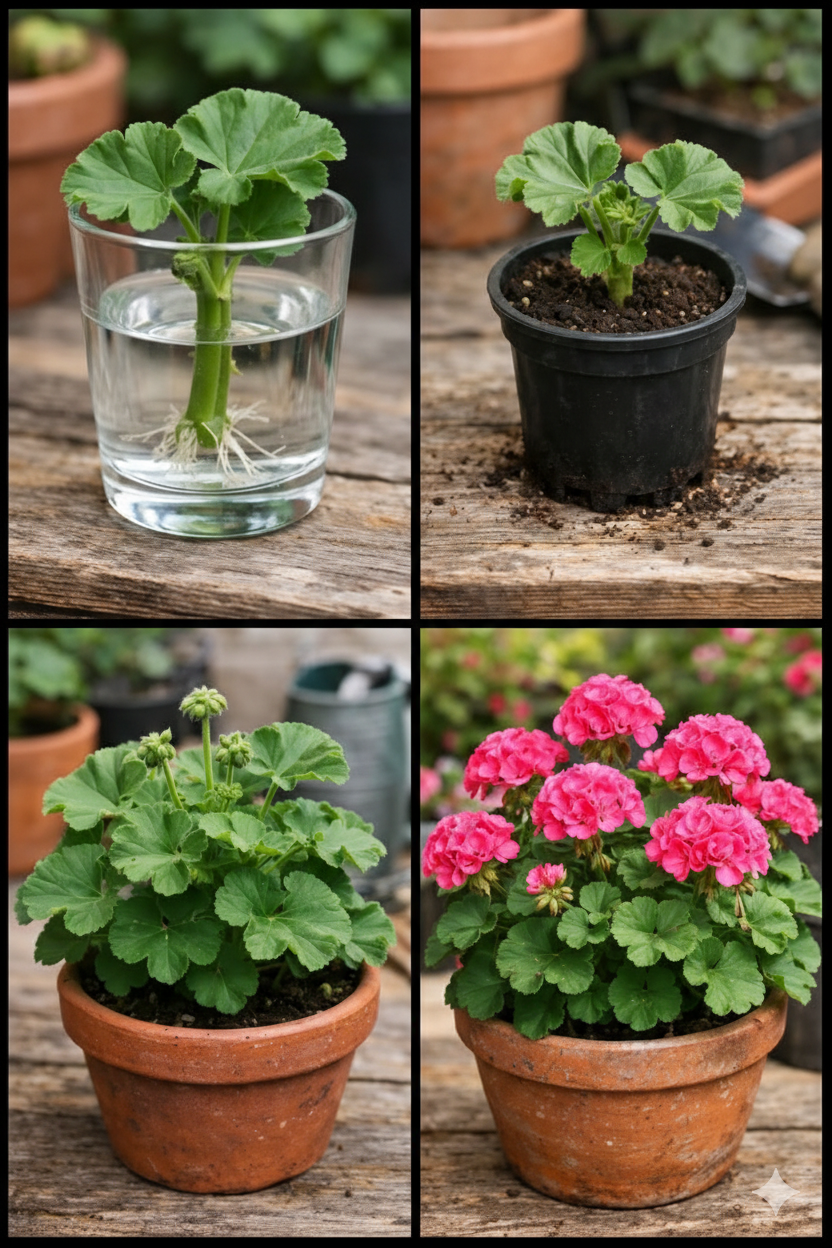
Geranium: The Weekly Routine to Keep It Always Thriving
Geraniums, botanically known as Pelargonium (often simply called geraniums in everyday gardening), are among the most rewarding flowering plants for balconies, patios, gardens, and even indoor spaces. These vibrant, sun-loving beauties originated in South Africa and have become garden staples worldwide thanks to their nonstop blooms in shades of pink, red, white, purple, and more, along with easy care and drought tolerance. With proper routine maintenance, your geraniums can thrive from spring through fall (and even longer if overwintered), producing abundant flowers and healthy foliage year after year.
This comprehensive guide focuses on a practical weekly routine that integrates all essential care tasks. It covers zonal, ivy-leaved, regal, and scented varieties, with adjustments for indoor vs. outdoor growing, seasonal changes, and common challenges. By following this structured approach, you’ll minimize problems like legginess, yellow leaves, or sparse blooming, and maximize flower power.
Understanding Your Geranium Basics Before the Weekly Routine
Geraniums (Pelargonium spp.) are tender perennials typically grown as annuals in cooler climates. They thrive in full sun (at least 6-8 hours daily), well-drained soil, and moderate watering. They prefer temperatures between 65-75°F (18-24°C) during the day and dislike soggy roots or cold drafts.
Key varieties include:
- Zonal geraniums: Classic upright types with zoned leaves and big flower clusters.
- Ivy geraniums: Trailing habit, ideal for hanging baskets.
- Regal (Martha Washington): Larger, dramatic flowers but more finicky.
- Scented-leaved: Fragrant foliage (rose, lemon, etc.) with smaller blooms.
Always use pots with drainage holes and a well-draining potting mix (add perlite or sand if needed). Plant after the last frost in spring.
The Core Weekly Routine: Your 7-Day Thriving Cycle
Consistency is key. Dedicate 10-20 minutes weekly (ideally on the same day, like Sunday) to these tasks. Adjust frequency based on weather, pot size, and season.
1. Check and Water (Every 3-7 Days, Integrated Weekly)
Geraniums prefer to dry out slightly between waterings—they’re drought-tolerant but not desert plants.
- How to check: Stick your finger 1-2 inches into the soil. If dry, water thoroughly until it drains out the bottom.
- Frequency: Outdoors in summer: Every 4-7 days (daily for small pots in extreme heat). Indoors: Every 7-10 days.
- Technique: Water at the soil level (never overhead) to keep foliage dry and prevent fungal issues like botrytis. Use room-temperature water.
- Seasonal tweak: Reduce in cooler months or winter dormancy—water sparingly to keep roots barely moist.
- Tip for thriving: Overwatering causes root rot; underwatering leads to wilting but bounces back fast. Aim for moist but never soggy.
2. Inspect for Pests, Diseases, and Overall Health (Weekly Quick Scan)
Spend 5 minutes examining leaves, stems, and soil.
- Common pests: Aphids (sticky residue), whiteflies (tiny flying insects), spider mites (fine webbing), or mealybugs (cottony spots).
- Diseases: Botrytis (gray mold on flowers), rust (reddish pustules on leaf undersides), leaf spot, or edema (blister-like bumps from overwatering/humidity).
- Solutions: Remove affected parts immediately. Treat pests with insecticidal soap or neem oil. Improve airflow and avoid wetting leaves.
- Prevention: Good spacing, dry foliage, and clean pots reduce risks. If rust appears (common on zonals), remove infected leaves and use a fungicide if severe.
- Health signs: Bright green leaves, upright stems, and continuous buds = thriving. Yellow lower leaves (normal aging) vs. widespread yellowing (over/underwatering or nutrient issues).
3. Deadhead Spent Blooms (2-3 Times Weekly, or as Needed)
Deadheading is the #1 secret to nonstop flowers.
- How: Pinch or snip faded flower clusters just above the next set of leaves or stem node. Remove the entire stem if spent.
- Why: Prevents energy going to seeds and encourages new buds.
- Frequency: Check every few days, especially after rain (damp heads invite botrytis).
- Bonus: This keeps plants tidy and promotes bushiness.
4. Pinch and Prune for Shape (Weekly or Bi-Weekly During Growth)
Pinching keeps geraniums compact and full.
- How: Pinch stem tips (top 1-2 inches) above a leaf node to encourage branching.
- When: Start early in the season and continue through summer. For leggy plants, prune back by 1/3.
- Tools: Clean scissors or fingers.
- Result: Bushier plants with more flowers.
5. Fertilize on Schedule (Every 1-2 Weeks)
Geraniums are hungry for blooms.
- Type: Use a balanced water-soluble fertilizer (e.g., 10-10-10) in spring, then switch to high-potassium (tomato feed, 5-10-10) once flowering starts.
- Frequency: Every 10-14 days during active growth (spring-fall). Dilute to half-strength to avoid burn.
- How: Mix into watering can. Skip in winter.
- Organic option: Slow-release granules at planting, or compost tea.
- Tip: Yellow leaves? Could be nitrogen lack—feed more. Too much nitrogen = lots of leaves, few flowers.
6. Rotate and Adjust Position (Weekly)
For even growth.
- Outdoors: Rotate pots for balanced sun exposure.
- Indoors: Turn toward the sunniest window (south-facing ideal).
- Why: Prevents leaning and ensures uniform blooming.
7. Clean Up and Monitor Environment (Weekly)
Remove fallen leaves/debris to deter pests/disease.
- Ensure good airflow (open windows indoors).
- Check temperature: Avoid below 50°F (10°C).
- Mulch outdoor pots to retain moisture.
Seasonal Adjustments to Your Weekly Routine
Spring (Growth Phase): Increase watering/fertilizing as growth resumes. Pinch frequently.
Summer (Peak Bloom): More frequent deadheading and watering in heat. Watch for pests.
Fall: Reduce fertilizer/water. Prepare for overwintering.
Winter (Dormancy or Indoor): Minimal watering, no fertilizer, bright cool spot (50-60°F). Or force dormancy in dark, cool place (water monthly).
Overwintering for Year-After-Year Success
In cold climates, bring pots indoors before frost or take cuttings.
- Method 1: Grow as houseplants in sunny window, reduced care.
- Method 2: Dormancy—cut back, store in cool/dark spot, water sparingly.
- Cuttings: Easiest—take 4-6 inch stems in fall, root in water/soil, plant next spring.
Troubleshooting Common Issues
- No flowers: Too much shade/nitrogen, not deadheading—fix light/feed/deadhead.
- Yellow leaves: Over/underwatering or nutrients—adjust routine.
- Leggy growth: Not enough light/pinching—prune and move to sun.
- Wilting: Dry soil—water deeply.
Final Thoughts: Why This Routine Works
This weekly cycle—inspect, water, deadhead, pinch, feed, rotate, clean—takes minimal time but delivers maximum results. Geraniums reward consistency with months of color. Start simple, observe your plant’s response, and adjust. Soon, your geraniums will be the envy of the neighborhood, always thriving and blooming profusely.