Tribulus Terrestris: The Spiky Plant Behind Natural Vitality Claims
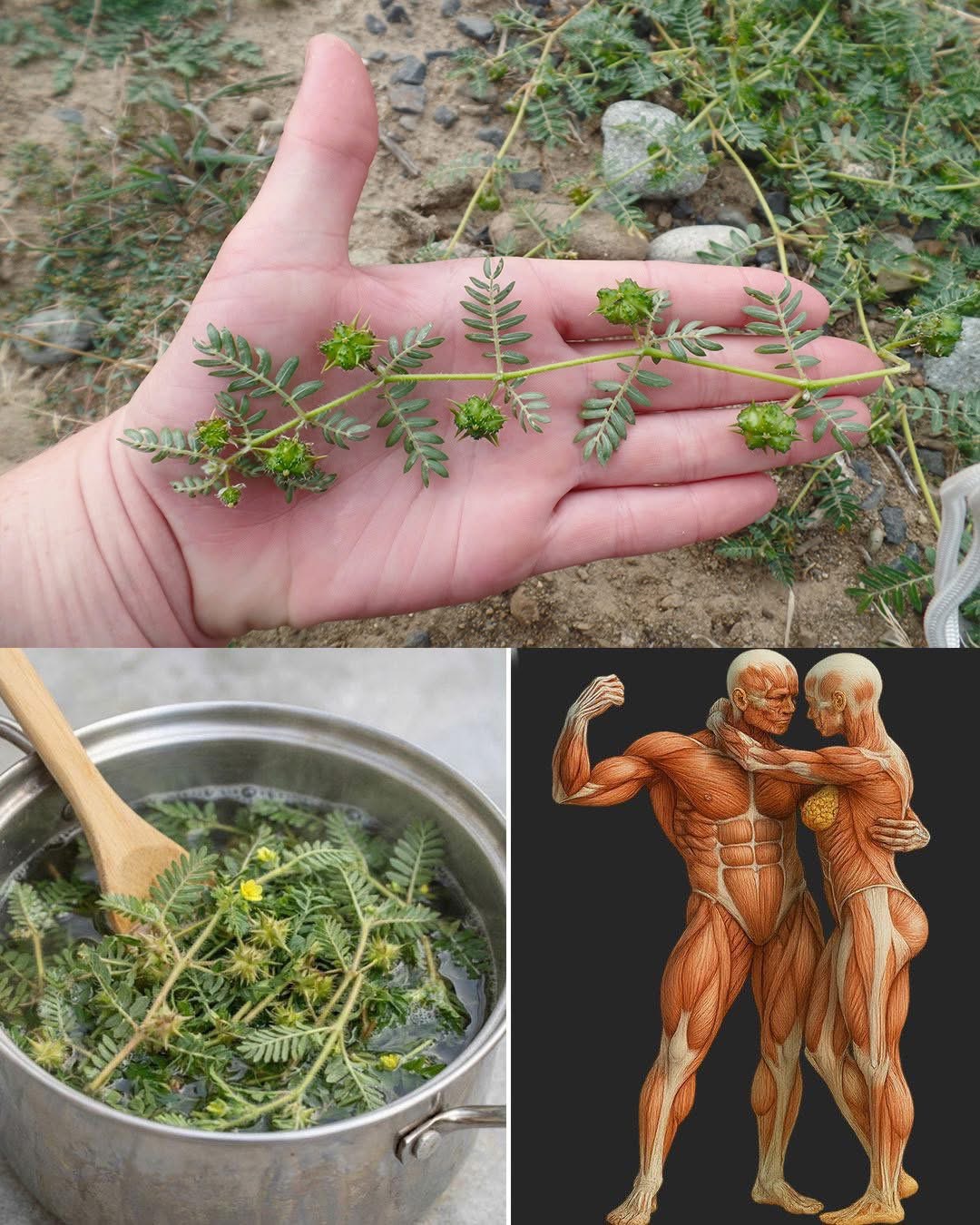
Tribulus terrestris, commonly known as puncture vine, goathead, caltrop, or in Arabic contexts as or similar local names, is a low-growing, spiny annual plant from the Zygophyllaceae family. The images you shared show its characteristic green, feathery leaves, spiky fruits (those painful burrs that stick to everything), and people brewing it into a tea-like decoction—often by boiling the whole plant or aerial parts. It’s a hardy weed thriving in dry, sandy soils, common across North Africa (including Morocco and Rabat’s surrounding arid areas), the Mediterranean, Middle East, India, and beyond. In Morocco and other North African regions, it grows wild in disturbed grounds, roadsides, and semi-desert landscapes, sometimes foraged for traditional remedies.
This plant has gained massive popularity worldwide as a natural supplement, especially among men seeking to boost libido, vitality, muscle strength, and even testosterone levels. The hype often ties it to bodybuilding, athletic performance, and sexual health—explaining the muscle anatomy illustrations in your query. But what does science actually say? Let’s dive into a comprehensive overview.
Botanical Profile and Traditional Uses
Tribulus terrestris is native to warm temperate and tropical zones, including southern Europe, Africa (North Africa prominently), Asia, and has spread to Australia and the Americas as an invasive weed. Its fruits are infamous for sharp spines that puncture bike tires, animal hooves, and bare feet—hence names like “devil’s thorn” or “goathead.”
In traditional medicine:
• Ayurveda (India): Called Gokshura, used as a diuretic, aphrodisiac, tonic for urinary issues, kidney support, and male virility.
• Traditional Chinese Medicine: For eye issues, edema, sexual dysfunction, and as a vitality booster.
• North African and Middle Eastern folk uses: Often as a general tonic, for inflammation, digestive complaints, or as a mild energizer. In some regions, decoctions from the plant (like in your photos) treat fatigue or support reproductive health.
• Bulgarian traditional use: Sparked modern interest in the 1970s–80s, with claims of boosting strength in athletes (though the Bulgarian weightlifter story is largely unverified marketing lore).
People prepare it by boiling fresh or dried aerial parts (leaves, stems, fruits) into tea or decoction, as shown in your images—often to extract its bioactive compounds.
Key Active Compounds
The main players are steroidal saponins, especially furostanol types like protodioscin (often 40–60% in standardized extracts). Other saponins include protogracillin, diosgenin derivatives, plus flavonoids, alkaloids, and phenolic acids. Protodioscin is frequently credited for the plant’s reputation in libido and sexual function.
These compounds are thought to:
• Influence nitric oxide pathways (for better blood flow, potentially aiding erections).
• Have mild adaptogenic effects (helping stress response).
• Interact indirectly with hormone systems (though not strongly in humans).
Claimed Benefits and Scientific Evidence
Tribulus is marketed heavily for:
1 Testosterone Boosting and Muscle Building
This is the biggest claim—and the most overstated.
Animal studies sometimes show testosterone increases, but human studies consistently find no significant rise in total or free testosterone in healthy men, athletes, or those with normal levels. Reviews and meta-analyses (e.g., from Examine.com, Healthline, and PMC systematic reviews) conclude it does not reliably boost testosterone or lead to major muscle gains/strength improvements beyond placebo or training alone.
Some small studies hint at reduced muscle damage or better recovery in intense training (e.g., in boxers or CrossFit athletes), but results are inconsistent and not linked to hormone changes.
Bottom line: If you’re hoping for steroid-like muscle growth, Tribulus won’t deliver.
2 Libido and Sexual Function
This is where evidence is strongest (though still moderate).
Multiple studies show Tribulus improves sexual desire, erectile function, and satisfaction—especially in people with low libido or mild erectile dysfunction. Doses of 750–1,500 mg/day for 1–3 months increased libido by up to 79% in some trials.
It appears to work via enhanced blood flow (nitric oxide), adaptogenic effects, or subtle androgen receptor activity—not major hormone spikes. Benefits seen in both men and women (e.g., hypoactive sexual desire).
Systematic reviews note low-to-moderate evidence for erectile dysfunction improvement, but it’s promising as a natural option.
3 Other Potential Benefits
◦ Fertility/Sperm Quality: Some evidence for better sperm motility/count in infertile men.
◦ Metabolic Support: Limited data on blood sugar/cholesterol improvements in diabetics.
◦ Anti-inflammatory/Antioxidant: Lab/animal studies suggest benefits, but human data sparse.
Not well-supported for body composition changes, athletic performance, or as a general “test booster.”
Dosage, Preparation, and Safety
• Common doses — Standardized extracts: 250–1,500 mg/day (often 45–60% saponins/protodioscin). Studies use 750–1,500 mg for libido/sexual effects.
• Traditional prep — As in your photos: Boil fresh/dried plant (aerial parts) for tea/decoction. Start low to test tolerance.
• Safety — Generally well-tolerated short-term (up to 3–6 months). Most studies report no major side effects—no changes in liver/kidney panels or lipids.
Possible mild issues: Stomach upset, insomnia, irregular periods (women). Rare case reports of kidney issues or interactions (e.g., with blood pressure meds or diabetes drugs—additive effects). Avoid if pregnant/breastfeeding (animal data shows fetal risks). Not linked to serious liver toxicity in humans (unlike in grazing animals).
Always consult a doctor, especially with medications or conditions.
The Bottom Line
Tribulus terrestris isn’t a miracle testosterone booster or muscle-builder—those claims stem from marketing, animal data, and early unconfirmed reports. But it shows real promise as a natural aid for libido, sexual desire, and mild erectile support, making it popular for vitality without heavy side effects.
If you’re brewing it traditionally (as in Morocco/North Africa), enjoy it as a tonic herb, but manage expectations—pair it with exercise, diet, and sleep for best results. For standardized benefits, opt for quality extracts tested for saponin content.
Curious about trying it, or have specific goals (e.g., libido vs. training)? Let me know for more tailored info!