Introduction
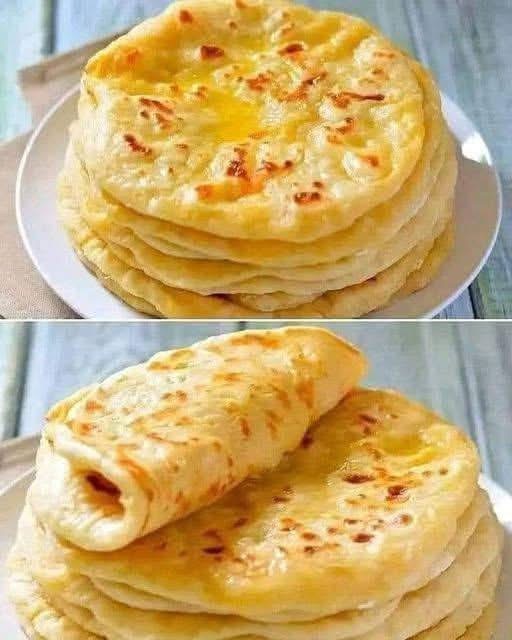
Msemen is one of the most beloved traditional Moroccan breads. Crispy on the outside, soft and chewy on the inside, with beautiful layers that pull apart easily, this flatbread is enjoyed across Morocco for breakfast, tea time, or even dinner. It’s often served warm with honey and butter or alongside savory dishes. Simple ingredients transform into something truly magical with the right technique.
Ingredients
For the Dough
3 cups all-purpose flour
1 cup fine semolina
1 teaspoon salt
1 teaspoon sugar (optional, for softness)
1½ to 1¾ cups warm water (as needed)
For Folding & Cooking
½ cup vegetable oil
½ cup melted butter
Extra fine semolina (for sprinkling)
Instructions
In a large bowl, mix the flour, semolina, salt, and sugar. Gradually add warm water and mix until a soft dough forms. Knead the dough for 10–15 minutes until smooth and elastic. Divide the dough into equal balls (about the size of a small orange). Coat each ball with oil, cover, and let rest for at least 30 minutes.
Grease your work surface well. Flatten one dough ball with your hands, then gently stretch it until paper-thin, forming a large square. Brush lightly with the butter-oil mixture and sprinkle semolina over the surface. Fold the dough into layers (fold sides inward, then top and bottom) to create a square packet. Set aside and repeat with remaining dough balls.
Heat a heavy pan or skillet over medium heat. Flatten each folded square gently. Cook on a dry pan, flipping frequently, until golden brown and flaky on both sides. Brush lightly with butter while cooking if desired.
Methods & Techniques
The key to perfect msemen is resting the dough and stretching it thin without tearing. Generous oiling prevents sticking and creates distinct flaky layers. Cooking slowly ensures the inside cooks fully while the outside becomes golden and crisp.
Serving Suggestions
Serve hot with honey and butter
Pair with mint tea for a traditional Moroccan breakfast
Serve savory with cheese, olives, or eggs
Enjoy alongside soups like harira or vegetable soup
History
Msemen has deep roots in Moroccan and North African cuisine. Traditionally prepared by hand in family kitchens, it represents hospitality and warmth. Passed down through generations, it’s a staple during Ramadan, holidays, and special gatherings.
Benefits
Provides energy from complex carbohydrates
More filling than regular bread
Can be made sweet or savory
Homemade version contains no preservatives
Comforting and satisfying
Nutritional Information (Approximate per piece)
Calories: 220–250
Carbohydrates: 30g
Fat: 10g
Protein: 5g
(Values vary depending on butter and oil used)
Tips for Perfect Msemen
Always rest the dough well
Stretch gently using oiled hands
Flip often while cooking for even layers
Keep cooked msemen wrapped in a cloth to stay soft
Can be frozen and reheated easily
Conclusion
Moroccan msemen is more than just bread — it’s a symbol of tradition, patience, and love. With its flaky layers and rich taste, it’s impossible to stop at just one. Whether sweet or savory, this recipe brings authentic Moroccan flavor straight to your kitchen.