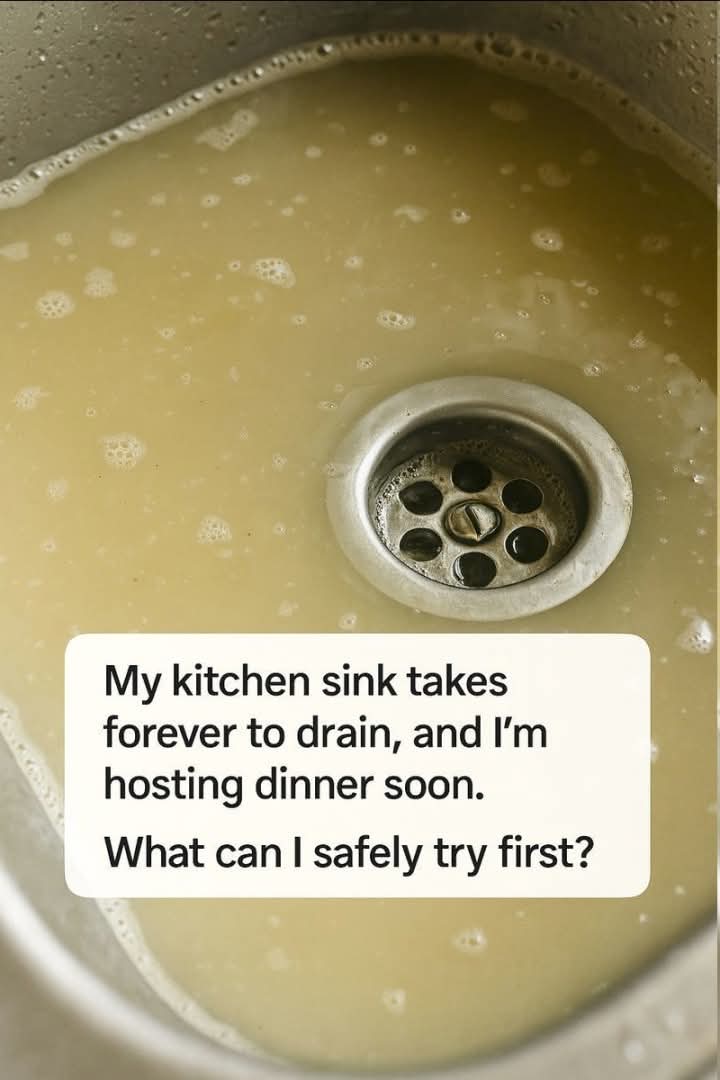
How to Quickly and Safely Fix a Slow-Draining Kitchen Sink Before Hosting Dinner: Ultimate DIY Guide
Hosting a dinner party is exciting—great food, good company, laughter filling the air—but nothing kills the vibe faster than a slow-draining kitchen sink filled with murky water and food scraps. If your sink is taking forever to empty, leaving behind greasy residue and bubbles, you’re likely dealing with a common buildup of grease, food particles, soap scum, and debris. The good news? You can often fix it yourself in under an hour using safe, natural methods and household items, without harsh chemicals or waiting for a plumber.
This comprehensive guide covers everything you need to know about diagnosing and resolving a slow kitchen drain quickly and safely. We’ll prioritize gentle, effective remedies perfect for a pre-dinner panic, explain why they work, provide step-by-step instructions, and share prevention tips to keep your sink flowing smoothly long after the guests leave. Whether it’s a minor grease clog or stubborn food buildup, these proven techniques will get your sink ready for action.
Why Your Kitchen Sink Drains Slowly (And Why It Matters Before Dinner)
Kitchen sinks bear the brunt of daily life: dishwashing, food prep, grease from pans, coffee grounds, and more. Over time, these create partial blockages:
- Grease and Oils: The #1 culprit. They solidify in pipes, trapping food particles.
- Food Residue: Bits of pasta, rice, veggies, or eggshells expand or stick.
- Soap Scum and Minerals: Combine with grease for a sticky mess.
- Location of Clogs: Often in the P-trap (the U-shaped pipe under the sink), garbage disposal, or further down.
A slow drain isn’t just inconvenient—it can lead to odors, overflows during dishwashing, or full clogs mid-party. Acting fast with safe methods prevents escalation while protecting your pipes (especially PVC, which harsh chemicals or boiling water can damage).
Quick fixes focus on natural, non-corrosive solutions that dissolve grease, break up debris, and restore flow without risking pipe damage or toxic fumes.
Top Safe and Quick Methods to Try First (In Order of Ease)
Start with the simplest—many slow drains clear in minutes. Work through them sequentially for best results.
1. Boiling (or Very Hot) Water Flush – The Fastest First Step
Hot water melts grease and flushes loose debris. It’s free, instant, and often enough for mild slowdowns.
Steps:
- Remove standing water with a cup or bowl.
- Boil a full kettle or large pot of water (for PVC pipes, use hottest tap water to avoid cracking).
- Slowly pour it directly down the drain in 2-3 stages, waiting 10-20 seconds between pours.
- Run hot tap water for 1-2 minutes to test flow.
Why It Works: Heat liquefies solidified fats, allowing them to flow away.
Time: 5-10 minutes.
Effectiveness: High for grease-related slowdowns; repeat 2-3 times if needed.
Safety Tip: Never use true boiling water on PVC or older pipes—very hot is sufficient and safer.
2. Dish Soap and Hot Water – Grease’s Natural Enemy
Dish soap cuts grease like it does on plates.
Steps:
- Squirt 1/4-1/2 cup grease-fighting dish soap (like Dawn) down the drain.
- Follow with a pot of very hot water.
- Let sit 5-15 minutes, then flush with more hot water.
Why It Works: Soap emulsifies grease, breaking it into tiny droplets that rinse away.
Time: 10-20 minutes.
Pro Variation: Combine with hot water flush for tougher grease.
3. Baking Soda and Vinegar – The Classic Natural Reaction
This fizzing duo creates gentle pressure and scouring action to loosen buildup.
Steps:
- Pour 1/2-1 cup baking soda down the drain (use a funnel if needed).
- Immediately follow with 1 cup white vinegar.
- Cover with a plug or wet cloth to trap fizzing.
- Wait 15-30 minutes (or up to 1 hour for stubborn issues).
- Flush with very hot water.
Why It Works: The acid-base reaction produces carbon dioxide bubbles that agitate and lift debris; baking soda abrades mildly.
Time: 20-60 minutes.
Effectiveness: Excellent for organic buildup and odors; safe for all pipes.
Bonus: Deodorizes naturally—no harsh smells before guests arrive.
4. Plunging – Mechanical Power for Stubborn Partial Clogs
A plunger creates suction to dislodge blockages.
Steps:
- If double sink, plug the other drain with a wet rag.
- Add enough water to cover the plunger bell.
- Place a cup plunger (flat bottom) over the drain.
- Plunge vigorously 15-20 times.
- Test drainage; repeat if improving.
Why It Works: Pressure waves break up and push through clogs.
Time: 5-10 minutes.
Tip: For garbage disposals, run cold water and disposal after plunging.
5. Manual Removal Tools – When You Need to Get Hands-On
If natural methods fail, gently remove visible debris.
Options:
- Wire Hanger or Zip-It Tool: Straighten a hanger into a hook or buy a cheap plastic drain snake; fish out gunk.
- Wet/Dry Vacuum: Seal hose over drain and suck out debris (great for food particles).
Time: 10-20 minutes.
Advanced Steps If the Drain Is Still Slow
Cleaning the P-Trap
Most kitchen clogs hide here.
Steps:
- Place a bucket underneath.
- Unscrew slip nuts by hand or with pliers.
- Remove trap; dump contents and scrub clean.
- Reassemble tightly; run water to check for leaks.
Time: 15-30 minutes.
Enzyme Cleaners or Professional Help
For recurring issues, use bio-enzyme products overnight. If nothing works, call a plumber—better than flooding during dinner!
What NOT to Do (Common Mistakes to Avoid)
- Harsh Chemical Cleaners First: They damage pipes, septic systems, and create fumes—save as last resort.
- Boiling Water on PVC Pipes: Can warp or crack them.
- Mixing Cleaners: Dangerous reactions (e.g., bleach + anything).
- Overloading Garbage Disposal: Avoid fibrous foods, grease, or non-food items.
- Ignoring Prevention: Small habits prevent big problems.
Prevention Tips: Keep Your Sink Flowing for Future Dinners
- Install mesh strainers to catch food/hair.
- Wipe greasy pans with paper towels before washing.
- Run hot water after each use.
- Weekly maintenance: Hot water + dish soap or baking soda/vinegar.
- Never pour grease, oil, coffee grounds, or starchy foods down the drain.
Final Thoughts: Breathe Easy and Host with Confidence
A slow-draining sink is frustrating, especially with dinner guests arriving soon, but armed with these safe, natural methods, you can restore flow quickly without chemicals or professionals. Start simple—hot water and soap often do the trick—then escalate as needed. Your pipes will thank you, your kitchen will stay fresh, and your dinner party will go off without a hitch.
Enjoy the meal, the compliments, and the perfectly draining sink afterward!