Introduction
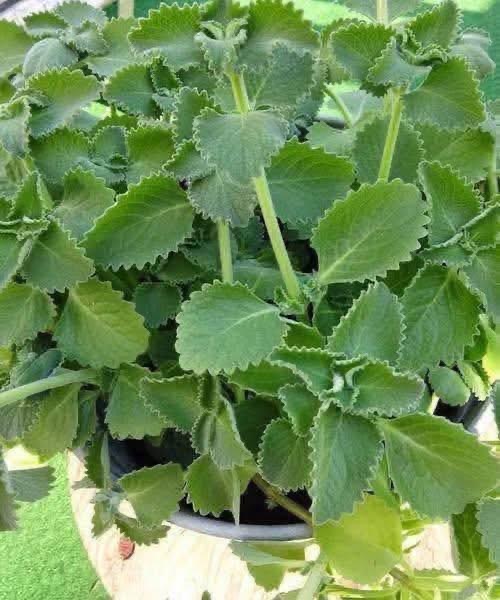
The plant shown in the image is widely known as Cuban Oregano, also called Indian Borage, Mexican Mint, Spanish Thyme, or Broadleaf Thyme. Scientifically, it is known as Plectranthus amboinicus. This hardy, aromatic plant is cherished across many cultures for its culinary flavor, medicinal power, and easy home cultivation. With thick, fuzzy, scalloped green leaves and a strong oregano-like aroma, Cuban oregano is both a kitchen treasure and a natural remedy plant.
Botanical Description
Cuban oregano is a perennial herb belonging to the mint family (Lamiaceae).
- Thick, fleshy, velvety leaves
- Serrated (scalloped) edges
- Strong aroma similar to oregano and thyme
- Grows as a bushy, trailing plant
- Can be grown in pots or directly in the ground
It thrives in warm climates and is especially popular in Africa, Asia, the Caribbean, and the Mediterranean region.
History and Origin
Cuban oregano is believed to have originated in East Africa and later spread to India, Southeast Asia, the Caribbean, and Latin America through trade and colonization. For centuries, it has been used in traditional medicine systems such as Ayurveda, folk African remedies, and Caribbean home healing practices.
Historically, it was valued not only as a flavoring herb but also as a household medicine for coughs, infections, digestive problems, and skin issues.
Culinary Uses
Cuban oregano is a powerful culinary herb, stronger than regular oregano.
Common uses include:
- Seasoning meats (chicken, lamb, beef)
- Flavoring soups and stews
- Adding depth to sauces and marinades
- Enhancing vegetable dishes
- Infusing oils and herbal teas
Only a small amount is needed due to its intense aroma.
Medicinal Benefits
Cuban oregano is famous for its natural healing properties.
1. Respiratory Health
- Relieves cough, asthma, and bronchitis
- Helps clear mucus
- Used as a tea or crushed leaf juice
2. Digestive Support
- Reduces bloating and indigestion
- Helps soothe stomach pain
- Aids appetite and digestion
3. Anti-Inflammatory Properties
- Eases joint pain and muscle soreness
- Applied as a poultice or oil
4. Antibacterial & Antifungal
- Fights infections
- Used for wounds, cuts, and skin infections
5. Immune System Boost
- Rich in antioxidants
- Helps protect against illness
Traditional Home Remedies
- Cough Remedy: Warm leaf infusion with honey
- Ear Pain: Slightly warmed leaf juice (traditional use)
- Skin Care: Crushed leaves applied to insect bites or rashes
- Cold Relief: Steam inhalation with fresh leaves
Nutritional Value
Cuban oregano contains:
- Vitamins A and C
- Calcium and iron
- Essential oils such as carvacrol and thymol
- Antioxidants
These compounds contribute to its strong medicinal effects.
How to Grow Cuban Oregano
Cuban oregano is extremely easy to grow.
Growing Conditions
- Sun: Partial sun to bright light
- Soil: Well-drained soil
- Water: Moderate watering (avoid overwatering)
- Climate: Warm, frost-free environments
Propagation
- Easily grown from cuttings
- Place stem in soil or water until roots form
Perfect for home gardens, balconies, and kitchen windowsills.
Formation and Growth Habit
- Bushy, spreading growth
- Can trail over pots
- Responds well to pruning
- Regular harvesting encourages new growth
Who Loves This Plant
- Home cooks
- Herbal medicine enthusiasts
- Natural remedy lovers
- Garden beginners
- Traditional healers
Its beauty, aroma, and usefulness make it a favorite worldwide.
Precautions
- Use in moderation due to strong oils
- Pregnant women should consult before medicinal use
- Not recommended in very large doses
Conclusion
Cuban oregano is far more than a simple herb. It is a healing plant, a flavor enhancer, and a gardener’s delight. Whether used in the kitchen, brewed as tea, or grown as a medicinal plant at home, it offers remarkable benefits with minimal effort. This humble green plant truly deserves a place in every household.