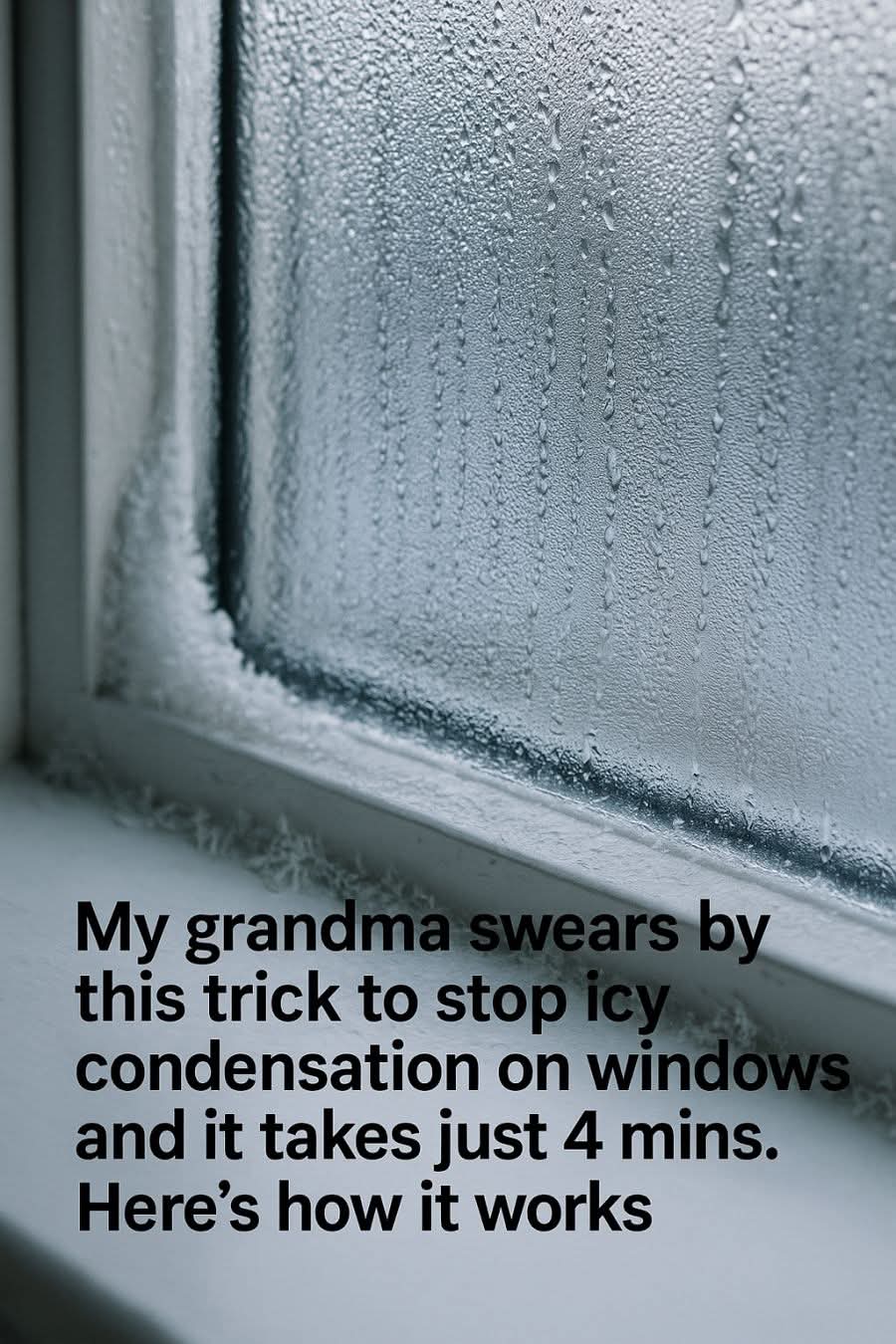
My Grandma Swears by This Trick to Stop Icy Condensation on Windows – And It Takes Just 4 Minutes
Winter mornings can be frustrating when you wake up to icy condensation on your windows. Frosty panes block the view, drip water onto sills, and even lead to mold if ignored. But there’s a simple, time-tested “grandma trick” that clears it up in about 4 minutes and prevents it from coming back for days—or even weeks.
This viral hack, passed down through generations and now popular on social media, uses an everyday household item to create a protective barrier on the glass. In this ultimate guide, we’ll reveal the trick, explain why it works, and dive deep into the science of window condensation. We’ll also cover causes, health risks, long-term prevention, other home remedies, expert tips, and more. By the end, you’ll have everything you need to keep your windows clear all winter.
Understanding Window Condensation: Why It Happens and Why It’s a Problem
Condensation forms when warm, moist indoor air meets a cold window surface. The air cools rapidly, reaching its “dew point,” and moisture turns into water droplets. In extreme cold, those droplets freeze into ice or frost—especially on single-pane windows or poorly insulated frames.
Common in older homes or during harsh winters, icy condensation isn’t just annoying. Excess moisture leads to:
- Mold and Mildew Growth: Black mold thrives in damp areas, releasing spores that cause allergies, asthma, and respiratory issues.
- Structural Damage: Water pooling on sills warps wood, rots frames, and damages paint or drywall.
- Higher Energy Bills: Condensation signals poor insulation, letting heat escape.
- Health Risks: Damp homes increase dust mites and bacteria.
In the UK and northern US, condensation affects millions of households yearly. The EPA recommends indoor humidity at 30-50% in winter to prevent it.
The Viral “Grandma Trick” That Takes Just 4 Minutes
The hack everyone’s talking about? Dish soap.
Grandmas (and now TikTokers) swear by rubbing a tiny amount of dish soap on windows to stop icy condensation fast. It works because dish soap contains surfactants that reduce water’s surface tension. Instead of beading into visible droplets (or ice), moisture spreads into a thin, invisible film that evaporates quickly or doesn’t form at all.
Step-by-Step Instructions for the Dish Soap Trick
Time Required: 4 minutes per window.
What You’ll Need:
- Mild dish soap (like Dawn or any basic brand—avoid scented or harsh ones).
- Clean microfiber cloth or sponge.
- Dry cloth for buffing.
Steps:
- Clean the Window First: Wipe away existing condensation, frost, or dirt with a damp cloth. Dry thoroughly.
- Apply the Soap: Put a pea-sized drop of dish soap on a damp cloth (or mix 1 teaspoon soap in a quart of water for larger areas).
- Rub It In: Gently spread the soap over the entire inner glass surface in circular motions. Cover every inch, especially edges where ice forms most.
- Buff to Invisible: Use a dry microfiber cloth to polish until the soap film disappears—no streaks or residue.
- Let It Dry: Wait a minute or two. You’re done!
Results last 1-2 weeks (or longer in mild conditions). Reapply as needed. This quick method prevents fogging, icing, and dripping—perfect for bedrooms, kitchens, or bathrooms.
Pro Tip: Test on a small area first. Use too much soap, and it might streak; too little, and it won’t last.
Why This Trick Works: The Science Behind It
Surfactants in dish soap lower water’s surface tension, preventing beading. Moisture sheets out thinly instead, staying invisible and evaporating faster. Similar to anti-fog sprays for glasses or cars, but cheaper and readily available.
Real tests (from homesandgardens.com and The Spruce) show treated windows stay clear for hours or days while untreated ones fog up immediately.
Caution: It’s temporary. Overuse might leave residue or affect seals long-term. Combine with other methods for best results.
Other Popular Grandma-Style Home Remedies
If dish soap isn’t your thing, try these classics:
- Shaving Cream/Foam: Spray or dab on, spread thinly, then buff off. Surfactants work like soap. Popular for car windshields too—lasts weeks.
- Raw Potato: Cut in half and rub starch over glass. It leaves a barrier that repels moisture. Cheap (about 24p per potato) and surprisingly effective for frost.
- Vinegar Solution: Mix equal parts white vinegar and water. Spray and wipe. Vinegar’s acidity cleans and mildly repels water.
- Salt or Rice on the Sill: Place rock salt bowls or rice bags on windowsills to absorb humidity.
These natural hacks are eco-friendly, non-toxic, and cost pennies.
Long-Term Solutions to Prevent Icy Condensation
Quick tricks help, but address root causes for lasting relief:
- Improve Ventilation: Open windows 5-10 minutes daily (German “Stoßlüften” method). Use extractor fans in kitchens/bathrooms for 20 minutes after cooking/showering.
- Use a Dehumidifier: Best investment—reduces humidity to 40-50%. Portable models work wonders in problem rooms.
- Increase Heating Slightly: Keep indoor temps steady (around 18-20°C) to warm glass surfaces.
- Insulate Windows: Apply thermal film kits, add storm windows, or upgrade to double/triple glazing.
- Circulate Air: Run ceiling fans on low (reverse in winter) or place small fans near windows.
- Reduce Moisture Sources: Dry clothes outside, cover pots while cooking, avoid indoor plants near windows.
Experts recommend monitoring with a cheap hygrometer.
When to Call Professionals
If condensation appears between panes, it’s a failed seal—time for repairs or replacement. Persistent mold or ice despite efforts might signal bigger issues like leaks or poor insulation.
Frequently Asked Questions
Is the dish soap trick safe for all windows?
Yes, on most glass, but avoid tinted or coated ones.
How often should I reapply?
Every 1-2 weeks, or when fogging returns.
Can this prevent exterior ice?
No—focus on interior condensation.
Is icy condensation dangerous?
Untreated, yes—mold risks health and home.
What’s the fastest emergency fix?
Wipe with a microfiber cloth and crack the window for 5 minutes.
This simple grandma trick transforms winter woes into clear views. Try the 4-minute dish soap method tonight—you’ll wake up to frost-free windows tomorrow!