Many people use the terms green onions and scallions interchangeably—and for good reason. In everyday cooking, grocery shopping, and recipes, they are often the same thing. However, depending on region, culinary tradition, and botanical definitions, some people insist there is a difference, which can lead to confusion (and, unfortunately, moments like the one you experienced).
Let’s break it down clearly and calmly.
What Are Scallions?
Scallions are young onions harvested before the bulb fully develops.
Characteristics:
- Long green hollow leaves
- Slender white base
- No round bulb
- Mild, fresh onion flavor
Scallions are commonly used raw or lightly cooked in:
- Salads
- Garnishes
- Asian cuisine
- Soups and stir-fries
In many countries (including the U.S., UK, and much of the world), scallions are labeled and sold as green onions.
What Are Green Onions?
This is where things get tricky.
In most grocery stores:
Green onions = scallions**
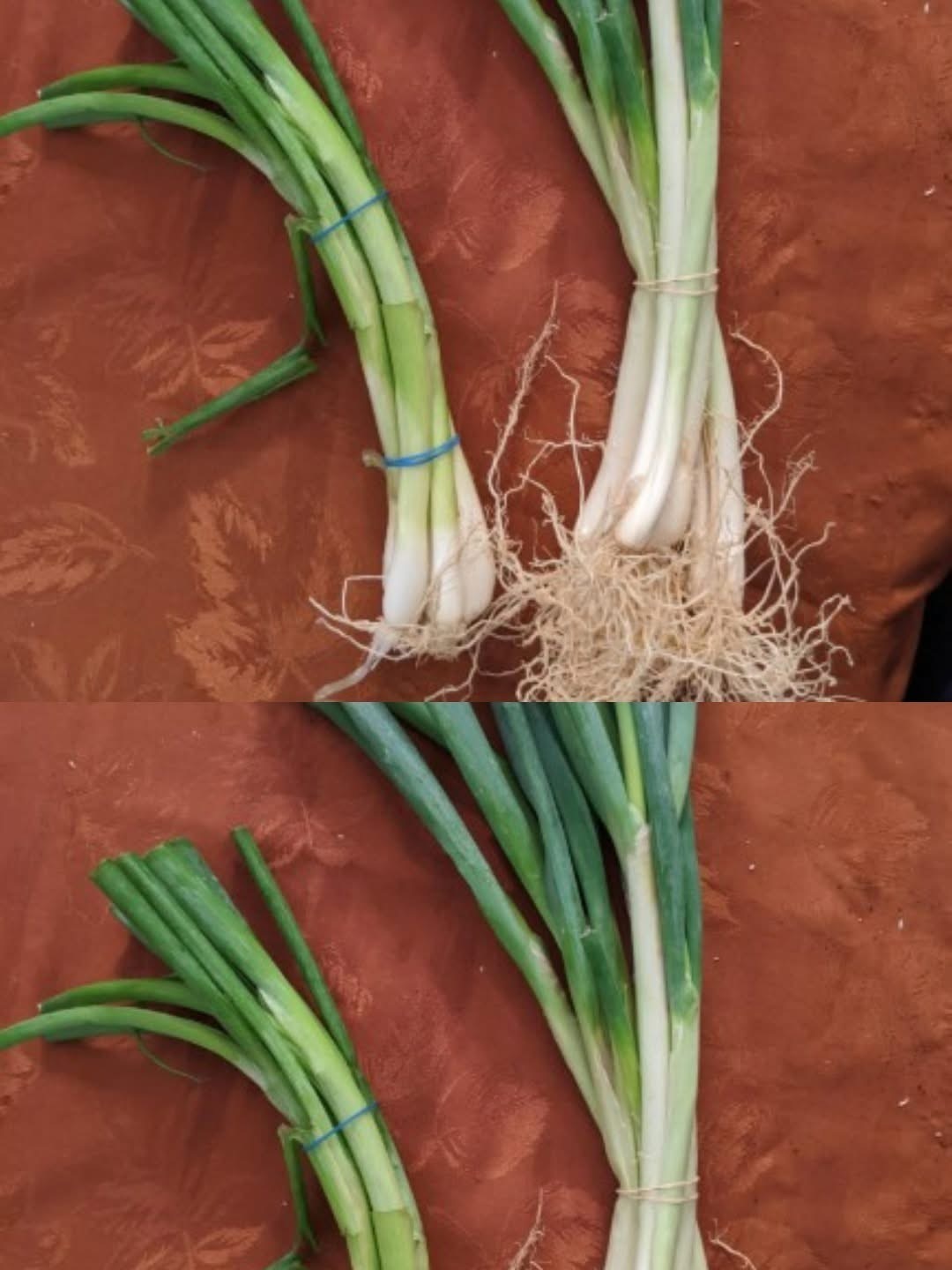
They look exactly like the ones in your photo: green tops, white bottoms, no bulb.
In some culinary traditions:
The term green onion may be used more broadly to include:
- Young onions with a slightly swollen bulb
- Immature versions of regular bulb onions
Some cooks—often older generations or professional chefs—use “green onion” to mean:
- A young onion that has started forming a small bulb
- Stronger flavor than a scallion
This is likely the distinction your MIL was making.
What About Spring Onions?
To add one more layer:
Spring onions are a different category altogether.
Characteristics:
- Green tops
- Noticeable round bulb
- Stronger, more onion-like taste
In many countries, spring onions are what some people call “true green onions.”
The Image You Shared
The onions in your image are classic scallions:
- No bulb
- Long white base
- Green hollow leaves
In most supermarkets, these are sold as green onions. So from a grocery-shopping standpoint, you were absolutely correct.
Why the Confusion Exists
- Regional language differences
- Family or cultural cooking habits
- Older terminology passed down informally
- Grocery stores labeling items differently
Even professional chefs don’t universally agree on the terminology.
The Bottom Line
✔ In everyday use:
Scallions and green onions are the same thing.
✔ In strict culinary or traditional use:
Some people reserve “green onions” for young onions with a small bulb.
✔ From a grocery store perspective:
You bought the right item.
Final Thought
This isn’t about you making a mistake—it’s about terminology differences, not cooking knowledge. Most recipes would work perfectly with what you bought, and many cooks wouldn’t even notice a difference.