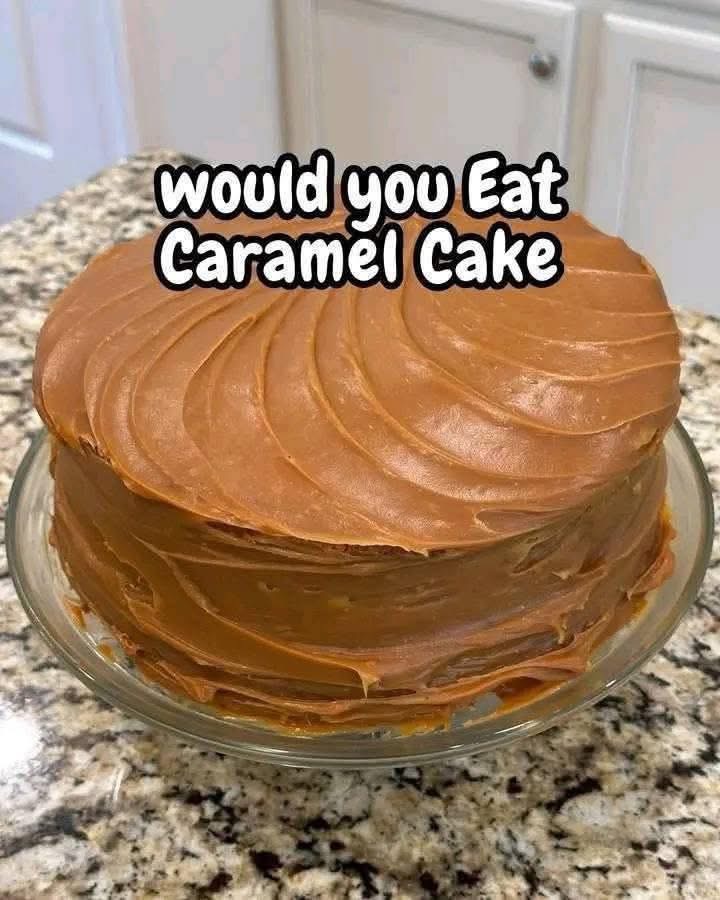
Introduction to Classic Southern Caramel Cake
Classic Southern Caramel Cake is a beloved American dessert hailing from the Southern United States, renowned for its tender, moist buttermilk cake layers enveloped in a rich, homemade caramel frosting. This decadent treat features a perfect balance of sweet, buttery caramel that sets into a fudgy, glossy coating—often swirled on top for an elegant finish. The cake itself is a simple yellow cake, but the star is the old-fashioned cooked caramel icing, which is poured warm over the layers and hardens slightly as it cools. It’s a showstopper for birthdays, holidays (especially Thanksgiving and Christmas), church gatherings, or any celebration calling for pure indulgence. This recipe yields a stunning 3-layer 9-inch cake serving 12-16 people, delivering that irresistible “would you eat this?” appeal with every bite.
History of the Dish
Southern Caramel Cake traces its roots to the American South in the early 20th century, evolving from traditional layer cakes brought by European settlers and adapted with local ingredients. The signature cooked caramel frosting—made by caramelizing sugar and enriching it with butter and cream—became a hallmark of Southern baking ingenuity, especially in times when ingredients were simple but techniques showcased skill. Often associated with grandmothers’ recipes, it gained popularity in community cookbooks and potlucks. Variations like “burnt sugar cake” (where sugar is intentionally darkened) influenced it, but the classic version emphasizes smooth, golden caramel. Today, it’s an iconic symbol of Southern hospitality, comfort, and celebration, frequently featured in family traditions across states like Georgia, Alabama, and Mississippi.
Ingredients (Serves 12-16)
For the Cake Layers:
- 3 cups (360g) all-purpose flour
- 2 tsp baking powder
- 1/2 tsp baking soda
- 1/2 tsp salt
- 1 cup (226g) unsalted butter, softened
- 2 cups (400g) granulated sugar
- 4 large eggs, room temperature
- 2 tsp vanilla extract
- 1 1/4 cups (300ml) buttermilk, room temperature
For the Caramel Frosting:
- 3 cups (600g) granulated sugar (divided: 1/2 cup for caramelizing)
- 1 cup (226g) unsalted butter
- 1 cup (240ml) heavy cream (or evaporated milk for traditional twist)
- 1/4 tsp salt
- 2 tsp vanilla extract
- Optional: Pinch of baking soda for smoother texture
Optional Garnishes:
- Chopped pecans or sea salt flakes
Preparation Methods and Step-by-Step Instructions
This recipe involves baking straightforward cake layers and mastering the cooked caramel frosting (the trickiest part—timing is key as it sets quickly). Total time: About 2-3 hours + cooling.
- Preheat and prep pans — Preheat oven to 350°F (175°C). Grease and flour three 9-inch round cake pans, line with parchment.
- Make the cake batter — Sift together flour, baking powder, baking soda, and salt. In a large bowl, cream butter and sugar until fluffy (5 minutes). Add eggs one at a time, then vanilla. Alternate adding dry ingredients and buttermilk, starting and ending with dry. Divide batter evenly into pans.
- Bake the layers — Bake 25-30 minutes until a toothpick comes out clean. Cool in pans 10 minutes, then turn out onto racks to cool completely (at least 1 hour).
- Prepare the caramel frosting — In a heavy saucepan over medium heat, melt 1/2 cup sugar until amber (watch carefully to avoid burning—stir gently). Remove from heat, carefully add butter (it will bubble), then slowly whisk in cream and salt. Return to heat, add remaining 2 1/2 cups sugar, and boil until it reaches soft-ball stage (235-240°F / 113-116°C, about 10-15 minutes). Remove from heat, add vanilla (and baking soda if using), and beat with a wooden spoon or mixer until thick and spreadable (5-10 minutes—it will lighten in color).
- Assemble the cake — Place one layer on a cake stand. Pour/spread warm frosting over it (it will drip down sides). Add next layer, repeat. Top with third layer and pour remaining frosting, letting it cascade naturally. Use an offset spatula to swirl the top decoratively.
- Set and serve — Let frosting set 30-60 minutes. Slice to reveal beautiful layers.
Tips: Work quickly with frosting—reheat gently if it thickens too fast. Use a candy thermometer for accuracy.
Health Benefits
As a rich dessert, Southern Caramel Cake is best enjoyed in moderation as an occasional treat. It provides quick energy from carbohydrates and fats, which can boost mood via endorphin release (the “comfort food” effect). Buttermilk in the cake adds a touch of probiotics and calcium. The homemade aspect avoids preservatives. Overall, it’s more about emotional satisfaction and tradition than daily nutrition—savor it for joy and shared moments.
Nutritional Information (Per Slice, Approximate for 1/16th of cake)
- Calories: 550-650
- Protein: 5-7g
- Fat: 30-35g (mostly saturated from butter/cream)
- Carbohydrates: 75-85g (high sugar)
- Sugars: 60-70g
- Other: Some calcium and vitamin A from dairy
(Note: Values vary; smaller slices reduce intake. Not a low-calorie option.)
Pairings and Suggestions (For Lovers of This Dish)
Caramel cake lovers adore its intense sweetness balanced with beverages. Perfect pairings:
- Strong coffee or espresso (cuts richness)
- Hot tea (black or chai)
- Cold milk or iced coffee
- Dessert wines like Tawny Port or sweet Muscat
Serve with fresh berries or whipped cream for contrast. It’s irresistible for those who crave buttery, nostalgic Southern sweets—ideal for gatherings where slices disappear fast!
Presentation and Formation
Display the cake on a glass or pedestal stand for maximum impact, allowing the glossy caramel drips and swirled top to shine. The multi-layer formation creates height and elegance, with the frosting naturally cascading down the sides for a rustic-yet-refined look. Garnish sparingly with pecans around the base or a light dust of sea salt for sophistication. When sliced, the tender layers and fudgy icing make every piece a visual and textural delight.
Conclusion
Classic Southern Caramel Cake is a timeless masterpiece of indulgence, blending simple ingredients into something extraordinarily delicious. From its rich history to the satisfying process of making (and eating!) it, this cake captures the warmth of Southern traditions and the pure pleasure of homemade dessert. Whether for a special occasion or just because—yes, you absolutely would eat this caramel cake. It’s a recipe worth mastering for lifelong sweet memories. Enjoy every decadent bite!