The Complete Truth About Eating Guava: Benefits, Risks, Myths, and Scientific Evidence
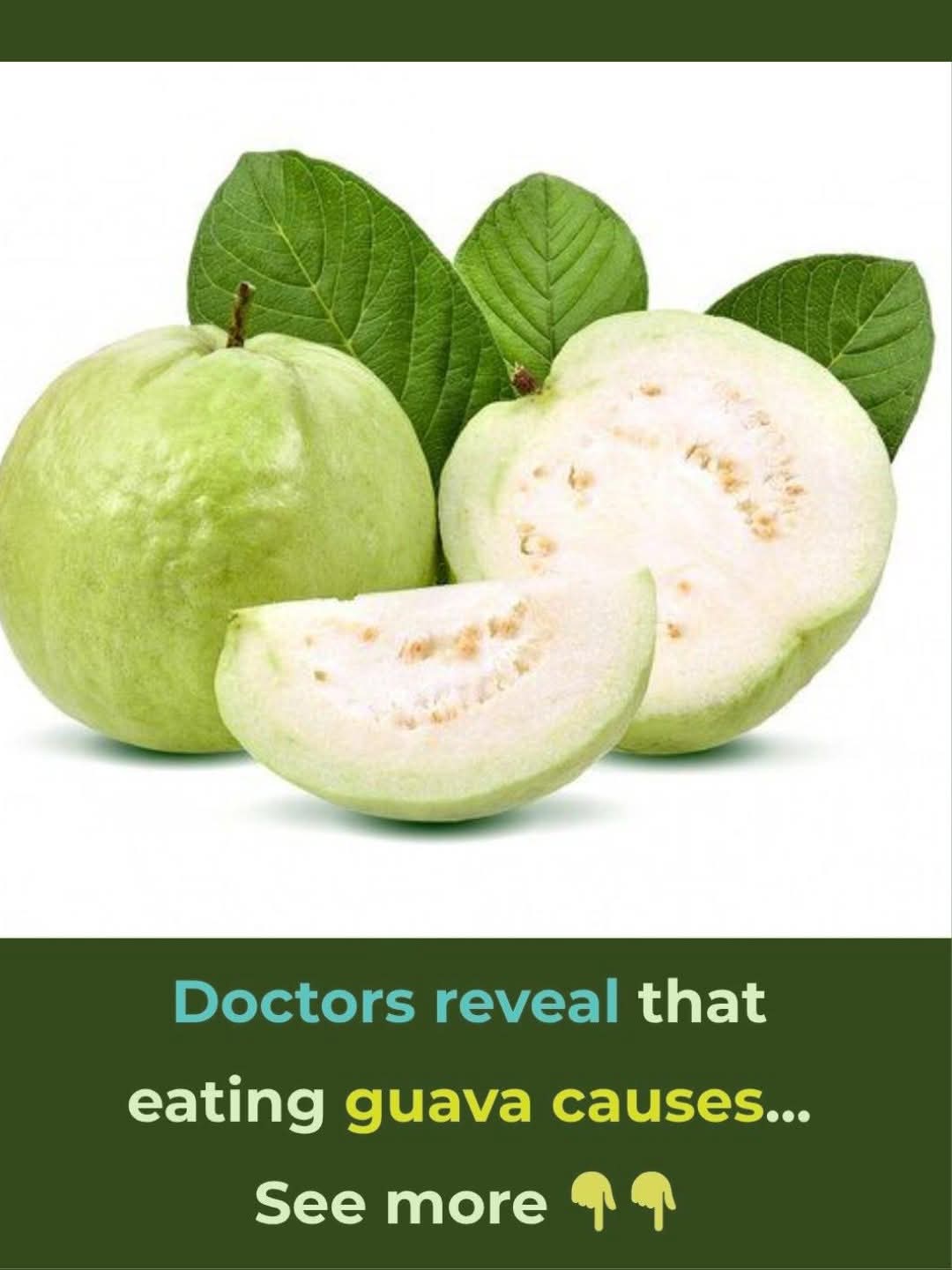
In the digital age, health misinformation spreads faster than facts. Social media platforms are filled with sensational headlines such as “Doctors reveal that eating guava causes…” These statements are often incomplete, misleading, and intentionally designed to create fear and curiosity. Unfortunately, many people accept such claims without verifying their accuracy. Guava, a tropical fruit consumed worldwide for centuries, is frequently targeted by these misleading narratives despite its well-documented health benefits.
This comprehensive article aims to uncover the truth about guava by examining its nutritional composition, scientifically proven health benefits, potential side effects, common myths, and the safest ways to consume it. By relying on evidence-based information rather than viral headlines, readers can make informed dietary choices with confidence.
Guava: An Overview
Guava (Psidium guajava) is a tropical fruit native to Central America but now widely grown in Asia, Africa, and other tropical and subtropical regions. It is valued not only for its pleasant flavor but also for its medicinal properties. Both the fruit and its leaves have been used in traditional medicine for generations.
Guava is available in various types, including white-fleshed, pink-fleshed, and red-fleshed varieties. Regardless of color, all types are highly nutritious and beneficial when consumed appropriately.
Nutritional Profile of Guava
Guava stands out among fruits due to its exceptional nutritional density. A single medium-sized guava (approximately 100 grams) provides:
- Over 200% of the recommended daily intake of Vitamin C
- Around 5–7 grams of dietary fiber
- Potassium, essential for heart and muscle function
- Vitamin A, important for eye health
- Folate, crucial for cell growth
- Magnesium, supporting nerve and muscle health
- Powerful antioxidants such as lycopene, quercetin, and polyphenols
Unlike many fruits, guava is relatively low in sugar and calories while offering a high fiber content, making it ideal for individuals seeking balanced nutrition.
Major Health Benefits of Eating Guava
1. Strengthening the Immune System
Guava is one of the richest natural sources of Vitamin C, surpassing even oranges. Vitamin C plays a vital role in immune function by stimulating the production of white blood cells, enhancing the body’s ability to fight infections, and reducing inflammation.
Regular consumption of guava may:
- Reduce the frequency and severity of colds
- Speed up recovery from illness
- Protect against oxidative stress
This makes guava particularly beneficial during seasonal changes and periods of increased illness.
2. Improving Digestive Health
Dietary fiber is essential for maintaining a healthy digestive system, and guava is an excellent source. Fiber helps regulate bowel movements, prevent constipation, and improve gut health by feeding beneficial bacteria.
In traditional medicine, guava leaves have been used to:
- Treat diarrhea
- Reduce intestinal inflammation
- Fight harmful bacteria in the gut
However, consuming unripe guava or excessive amounts may cause temporary bloating or gas, especially in individuals with sensitive digestion.
3. Supporting Heart Health
Guava contributes significantly to cardiovascular health through multiple mechanisms. Its potassium content helps regulate blood pressure, while soluble fiber reduces levels of low-density lipoprotein (LDL), commonly known as “bad cholesterol.”
Antioxidants in guava protect blood vessels from oxidative damage, reducing inflammation and improving circulation. Studies suggest that regular guava consumption may lower the risk of heart disease and stroke when included as part of a balanced diet.
4. Blood Sugar Regulation and Diabetes Management
Despite its sweet taste, guava has a low glycemic index. The fiber content slows down the absorption of sugars into the bloodstream, preventing sharp spikes in blood glucose levels.
Research has also explored the potential benefits of guava leaf extract in improving insulin sensitivity and reducing post-meal blood sugar levels. For people with diabetes, guava can be a safe and nutritious fruit when eaten in moderation.
5. Weight Loss and Appetite Control
Guava is an excellent fruit for weight management. It is:
- Low in calories
- High in fiber
- Highly filling
Eating guava can reduce hunger and limit unhealthy snacking between meals. Unlike processed snacks, guava provides essential nutrients while supporting calorie control, making it ideal for weight-loss diets.
6. Skin Health and Anti-Aging Effects
Guava’s antioxidants protect the skin from free radical damage, which contributes to premature aging. Vitamin C promotes collagen production, improving skin elasticity and reducing wrinkles.
Guava has also been associated with:
- Reduced acne
- Improved skin tone
- Protection against sun damage
Some skincare products even include guava extracts due to their antioxidant and antibacterial properties.
7. Hair Health and Scalp Protection
The nutrients in guava support strong and healthy hair. Vitamin C improves blood circulation in the scalp, strengthening hair follicles and reducing hair fall. Guava leaf extracts are commonly used in hair treatments to combat dandruff and scalp infections.
8. Supporting Liver Function
Emerging research suggests that guava’s antioxidant compounds may help protect liver cells from oxidative stress and inflammation. Diets rich in antioxidant fruits like guava may support liver detoxification processes and reduce fat accumulation when combined with a healthy lifestyle.
Common Myths and Misconceptions About Guava
Myth 1: Eating Guava Causes Serious Diseases
There is no credible scientific evidence linking guava consumption to cancer, liver failure, or chronic illness. Such claims often arise from misinterpretation or deliberate misinformation.
Myth 2: Guava Is Harmful for Diabetics
On the contrary, guava can help regulate blood sugar when consumed in appropriate portions.
Myth 3: Guava Seeds Are Dangerous
Guava seeds are edible and safe. However, excessive consumption may irritate the digestive system in some individuals.
Myth 4: Guava Causes Constipation
While unripe guava may slow digestion temporarily, ripe guava actually helps relieve constipation due to its fiber content.
Potential Side Effects and Precautions
Although guava is generally safe, certain precautions should be observed:
- Excessive consumption may cause bloating or gas
- Unripe guava can be harder to digest
- People with irritable bowel syndrome (IBS) should limit intake
- Eating guava on an empty stomach may cause discomfort for some individuals
These side effects are mild, temporary, and avoidable with moderation.
Best Practices for Consuming Guava
To maximize benefits and minimize discomfort:
- Choose ripe guava
- Wash thoroughly before eating
- Eat with the peel for maximum fiber
- Limit intake to 1–2 fruits per day
- Combine with protein or healthy fats
- Avoid excessive consumption of seeds if digestion is sensitive
Guava can be eaten fresh, blended into smoothies, added to salads, or consumed as juice without added sugar.
Guava in Traditional and Modern Medicine
Guava has been used in traditional medicine systems for centuries to treat infections, wounds, digestive disorders, and inflammation. Modern research continues to validate many of these traditional uses, particularly the antimicrobial and antioxidant properties of guava leaves.
Today, guava extracts are used in supplements, teas, and cosmetic products, reflecting its growing recognition in modern health sciences.
Conclusion
The idea that eating guava causes harm is largely a product of misinformation and sensational online headlines. Scientific research overwhelmingly supports guava as one of the most nutritious and beneficial fruits available. From boosting immunity and improving digestion to supporting heart, skin, and liver health, guava offers a wide range of advantages.
Like all foods, guava should be consumed in moderation and as part of a balanced diet. When eaten correctly, it poses no threat and provides significant health benefits. Rather than trusting misleading claims, individuals should rely on evidence-based knowledge and credible sources.
Guava is not a hidden danger—it is a powerful natural food that deserves its reputation as a nutritional powerhouse