Introduction
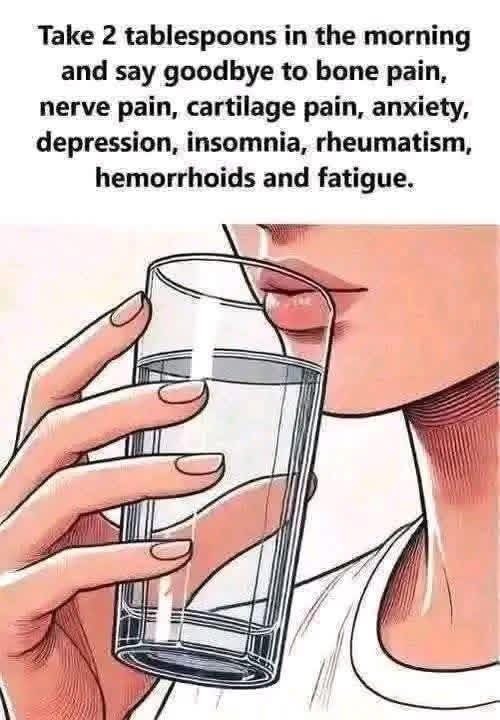
Images and short slogans promising dramatic health improvements spread rapidly on social media. The image you shared claims that taking “2 tablespoons in the morning” can cure or eliminate a long list of conditions, including bone pain, nerve pain, cartilage pain, anxiety, depression, insomnia, rheumatism, hemorrhoids, and fatigue. Such claims are attractive because they suggest an easy, natural, and universal solution. However, these types of messages require careful examination. This article explains why these claims are misleading, how health misinformation works, and what a more realistic, evidence-based approach to health looks like.
Understanding the Claim
The image does not clearly identify what the “2 tablespoons” contain. In similar viral posts, this phrase is often associated with remedies such as olive oil, apple cider vinegar, honey, warm water, or herbal mixtures. Regardless of the ingredient, the core message is the same: a single daily dose supposedly treats a wide range of unrelated physical and mental health conditions.
From a medical and scientific perspective, this is a major red flag.
Why “Cure-All” Remedies Are Not Realistic
- Different conditions have different causes
- Bone and cartilage pain may come from arthritis, injury, osteoporosis, or inflammation.
- Nerve pain involves the nervous system and is often related to diabetes, compression, or neurological disorders.
- Anxiety, depression, and insomnia are mental health conditions influenced by brain chemistry, psychology, lifestyle, and environment.
- Hemorrhoids are linked to veins, pressure, and bowel habits. One substance cannot realistically treat all these conditions at once because they involve entirely different systems in the body.
- No credible scientific evidence
Claims that a simple home remedy “cures” multiple diseases are not supported by clinical trials. In medicine, treatments must be tested in controlled studies to prove safety and effectiveness. These viral images provide no data, no sources, and no proof. - Exaggerated language
Phrases like “say goodbye to” or “cures everything” are common in misinformation. Real health advice is cautious, specific, and transparent about limitations.
Potential Ingredients: What They Can and Cannot Do
Even if the image refers to a common ingredient, it is important to separate modest benefits from exaggerated promises.
- Olive oil: May support heart health and reduce inflammation slightly, but it does not cure arthritis, depression, or nerve damage.
- Apple cider vinegar: Can aid digestion for some people but may irritate the stomach and does not treat chronic pain or mental illness.
- Honey: Has antibacterial properties and soothes sore throats, but it is not a solution for rheumatism or insomnia.
- Warm water: Helps hydration and digestion, but hydration alone cannot eliminate complex diseases.
These foods can be part of a healthy diet, but they are not medical treatments.
The Danger of Health Misinformation
- Delay in proper treatment
People may ignore serious symptoms, believing a simple remedy will fix the problem. This can allow conditions to worsen. - False hope
Individuals with chronic pain or mental health struggles may feel discouraged or blame themselves when the “miracle remedy” does not work. - Potential harm
Excessive use of certain substances (vinegar, oils, herbal mixtures) can damage teeth, irritate the stomach, affect blood sugar, or interact with medications.
Evidence-Based Approach to These Conditions
- Chronic pain: Requires proper diagnosis, physical therapy, medications, or targeted lifestyle changes.
- Mental health (anxiety, depression, insomnia): Often managed with therapy, lifestyle adjustments, and sometimes medication under medical guidance.
- Fatigue: Can be caused by sleep issues, anemia, stress, poor nutrition, or illness and needs investigation.
- Hemorrhoids: Typically improved with fiber intake, hydration, topical treatments, and sometimes medical procedures.
There is no universal shortcut.
Why These Images Go Viral
- They are simple and visually appealing.
- They promise relief without cost or effort.
- They appeal to distrust in medicine or frustration with chronic illness.
Unfortunately, popularity does not equal truth.
A Smarter Way to Use Natural Remedies
Natural foods and traditional remedies can support general health when used correctly:
- As part of a balanced diet
- Alongside medical advice, not instead of it
- With realistic expectations
The key difference is support versus cure.
Conclusion
The claim that “2 tablespoons in the morning” can eliminate a wide range of physical and mental health conditions is misleading and unsupported by science. While healthy habits and natural foods can improve overall well-being, they are not miracle cures. Real health improvement comes from accurate information, proper diagnosis, and consistent, evidence-based care.
When you see bold health claims online, pause, question them, and seek reliable medical guidance. Your health deserves more than a viral slogan.